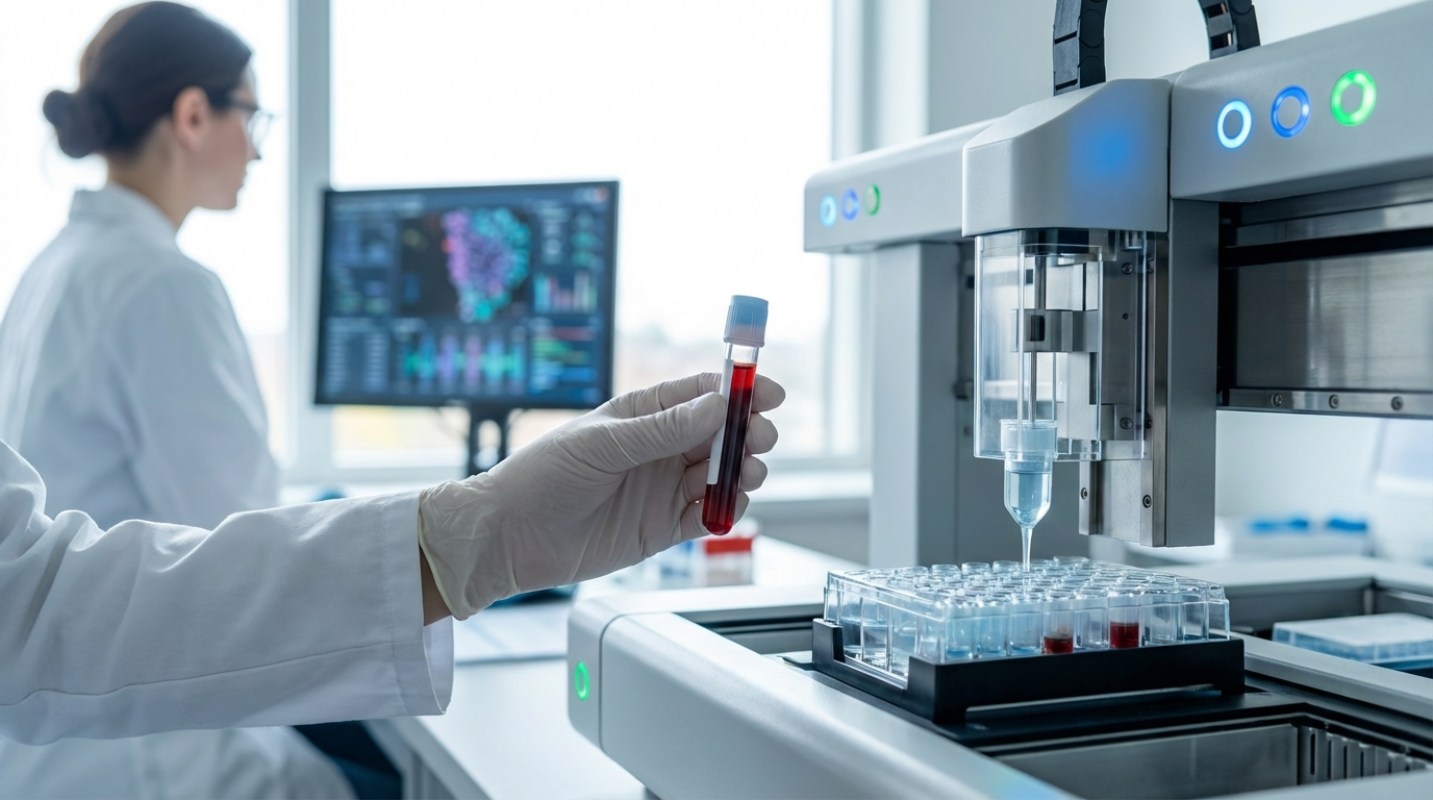
 (Image source: Gemini / Landon Phillips)
 Imagine a future where the most frightening diseases are caught not through grueling, invasive procedures or after symptoms appear, but through a simple, routine blood draw during your annual physical. That future isn’t science fiction; it’s the immediate promise of liquid biopsy.
For decades, the standard approach to preventing cancer deaths has been early detection, relying primarily on established, single-site screening methods: mammograms for breasts, Pap smears for the cervix, and colonoscopies for the colon. These methods have saved countless lives, but they share significant limitations. They are often invasive, sometimes uncomfortable, and they target only one specific organ at a time. This means compliance is low, and many aggressive, fast-growing cancers—like ovarian, pancreatic, or esophageal—are often missed until they’ve reached Stage III or IV, drastically lowering survival odds.
We desperately need a tool that can screen for multiple cancers simultaneously, non-invasively, and with high accuracy. Enter the liquid biopsy—a revolutionary technology poised to transform cancer screening from a reactive, site-specific hunt into a proactive, systemic search. This isn't just an incremental improvement; it’s the digital equivalent of upgrading from a single-channel TV to a whole-house fiber-optic network.
What is Liquid Biopsy? Understanding the Science Behind the Blood Test
So, what exactly is a liquid biopsy?
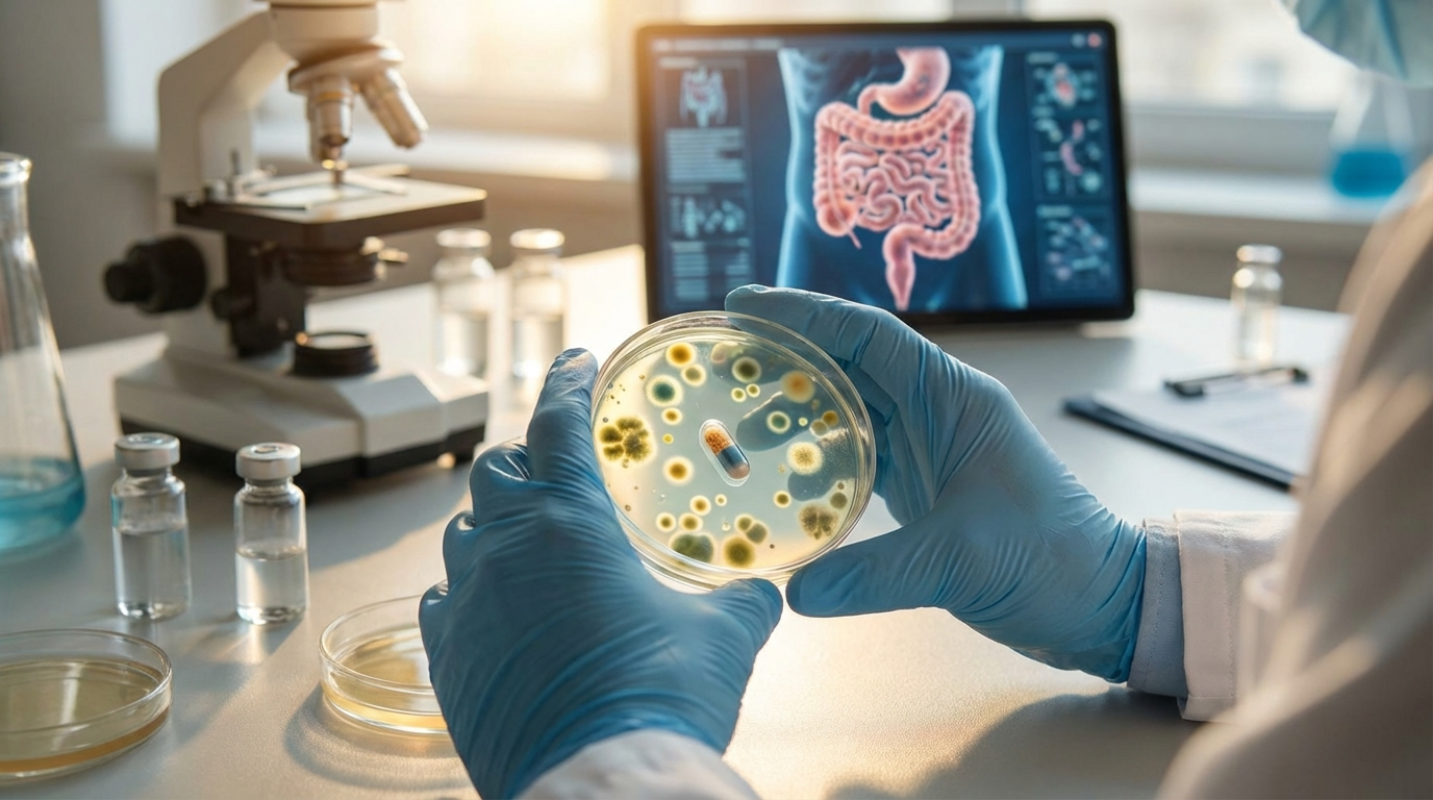
At its core, it’s a blood test designed to isolate and analyze materials shed by a tumor into the bloodstream. Think of your blood as a complex information highway. When a tumor grows, even in its earliest stages, it constantly sheds tiny, microscopic clues. Scientists are primarily interested in three key components
- Circulating Tumor DNA (ctDNA): This is the star of the show for early detection. When cancer cells die, they release fragments of their mutated DNA into your circulation. These fragments, often present in vanishingly small amounts, carry the genetic fingerprint of the cancer.
- Circulating Tumor Cells (CTCs): Intact cancer cells that have broken away from the primary tumor.
- Exosomes: Tiny vesicles released by tumor cells, carrying proteins and nucleic acids that help the cancer communicate with other cells.
The process is deceptively simple: you give a blood sample, and specialized sequencing technologies isolate these trace amounts of ctDNA. Using ultra-sensitive sequencing and advanced computational analysis, researchers can detect the mutations and epigenetic changes unique to cancer, often before a tumor is large enough to be seen on an MRI or CT scan.
It’s important to differentiate between the two main uses of this technology. Liquid biopsy has already been integrated into clinical care for monitoring recurrence (Minimal Residual Disease or MRD) in patients already treated for cancer. But the true game-changer we’re discussing here is its use in asymptomatic screening—finding cancer in people who feel perfectly healthy. That requires sensitivity at an entirely new level.
Current Applications and Leading Technologies in Early Detection
We are already seeing the first generation of liquid biopsy tests move beyond the laboratory and into the clinic.
The most significant regulatory milestone occurred in 2024, proving that blood-based screening works for specific cancers. Guardant Health’s Shield Test received FDA approval in July 2024 as a primary screening option for colorectal cancer (CRC) in average-risk adults.¹ This was a huge step, demonstrating 83% sensitivity for CRC detection.²
But the real excitement—and the technological challenge—lies in Multi-Cancer Early Detection (MCED) tests. These are designed to detect dozens of different cancer types from a single blood draw.
The leading example in this space is GRAIL’s Galleri test. Its clinical utility is being rigorously tested in massive, prospective trials globally. The largest of these is the NHS-Galleri Trial in the UK, which recruited over 140,000 asymptomatic participants. These participants completed their final annual blood draw in the summer of 2024, and we expect the primary outcomes data—showing whether the test actually reduces late-stage cancer incidence—by 2026.³
The technical hurdle here is immense: achieving high sensitivity (catching the cancer early) and high specificity (avoiding false alarms) when the cancer signal is literally one mutated DNA fragment among millions of healthy fragments.
Despite the pending definitive outcomes, the performance statistics coming out of the registrational studies are promising. Top-line results from the U.S. PATHFINDER 2 Study, released in June 2025, showed a Specificity of 99.1%—meaning it rarely flags a healthy person incorrectly. Importantly, that study also delivered a Positive Predictive Value (PPV) of 38% among screened patients.⁴
Understanding the Hurdles: Accuracy, False Positives, and Clinical Integration
That PPV statistic—38%—is the number we need to talk about.
In a screening context, PPV is perhaps the most important metric. It tells you, "If my test result is positive, what is the likelihood that I actually have cancer?" A 38% PPV means that for every 100 people who test positive, 62 of them do not have cancer. They received a false positive.
This brings us to the core clinical challenge: what do you do with a positive result?
If you receive a positive liquid biopsy result, you don't instantly have a diagnosis. The test is designed to tell you that cancer may be present and, often, where it is likely located (e.g., liver, pancreas). But it necessitates a follow-up diagnostic cascade—often involving expensive, invasive, and potentially risky procedures like biopsies, CT scans, and endoscopies. If 62% of positive results are false alarms, that creates a significant burden on the healthcare system and, more importantly, causes massive anxiety and potentially unnecessary procedures for thousands of healthy people.
We also have to handle the "signal vs. noise" issue related to aging. As we get older, mutations naturally accumulate in our blood cells, a phenomenon known as clonal hematopoiesis. These benign, age-related mutations can sometimes look suspiciously like a cancer signal, muddying the waters and increasing the potential for false positives. Differentiating the signal of a nascent tumor from the background noise of aging is one of the hardest problems in this field.
For liquid biopsy to become standard preventative care, the clinical workflow must be seamless. We need clear, evidence-based pathways for diagnostic follow-up that minimize unnecessary procedures while making sure that true cancers are caught quickly.
The Road Ahead: Regulatory Status, Cost, and Future Impact
As we move through 2026, the regulatory space for liquid biopsy is defined by rapid advancement but cautious integration. Although single-cancer screening tests are approved, no MCED test has yet received full FDA approval for clinical use in asymptomatic screening.⁵
This doesn’t mean you can’t get tested. Many MCED tests are currently available in the U.S. as Laboratory-Developed Tests (LDTs), which operate under a different regulatory structure. Like, Exact Sciences launched its Cancerguard MCED test as an LDT in late 2025, targeting over 50 cancer subtypes.
The FDA is actively defining the rules of the road. In November 2024, the agency released guidance on using ctDNA in trials, signaling that they are engaged in setting the rigorous evidence standards required before these tests can be marketed directly to the general population as standard screening tools.
The future of liquid biopsy hinges on two factors: cost and computational power.
Currently, these tests are expensive, which limits widespread adoption, particularly if insurance coverage is spotty. But the cost of sequencing is dropping rapidly, following the same trajectory as other genomic technologies.
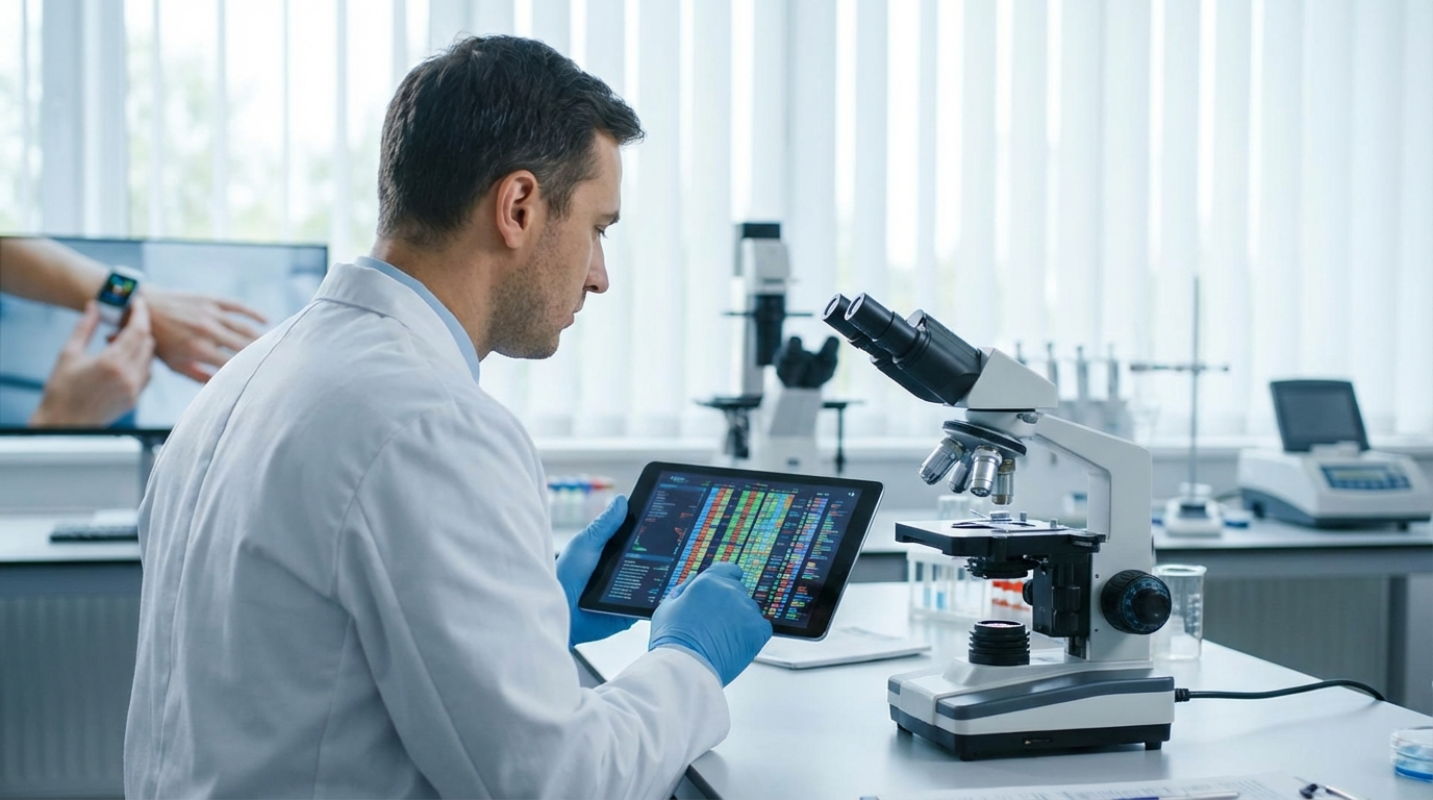
More importantly, the integration of AI and machine learning is set to solve the sensitivity problem. New research, including studies published in 2024, has shown that AI-powered methods can analyze ctDNA patterns with "unprecedented sensitivity," often detecting cancer recurrence months or even years before standard imaging. This computational leap is what will ultimately push the specificity and PPV high enough to make MCED tests viable for the general population.
Liquid biopsy is not just a scientific curiosity; it is a fundamental shift in how we approach cancer control. We’ve moved past the question of if this technology will be integrated into standard care, and are now focused on when and how. In the next few years, as major trial results land and AI refines the signal detection, the routine blood draw will likely become your most powerful weapon against cancer.
Sources:
4. PATHFINDER 2 Study Top-Line Results
5. Liquid Biopsy November Roundup 2024
This article is for informational and educational purposes only. Readers are encouraged to consult qualified professionals and verify details with official sources before making decisions. This content does not constitute professional advice.