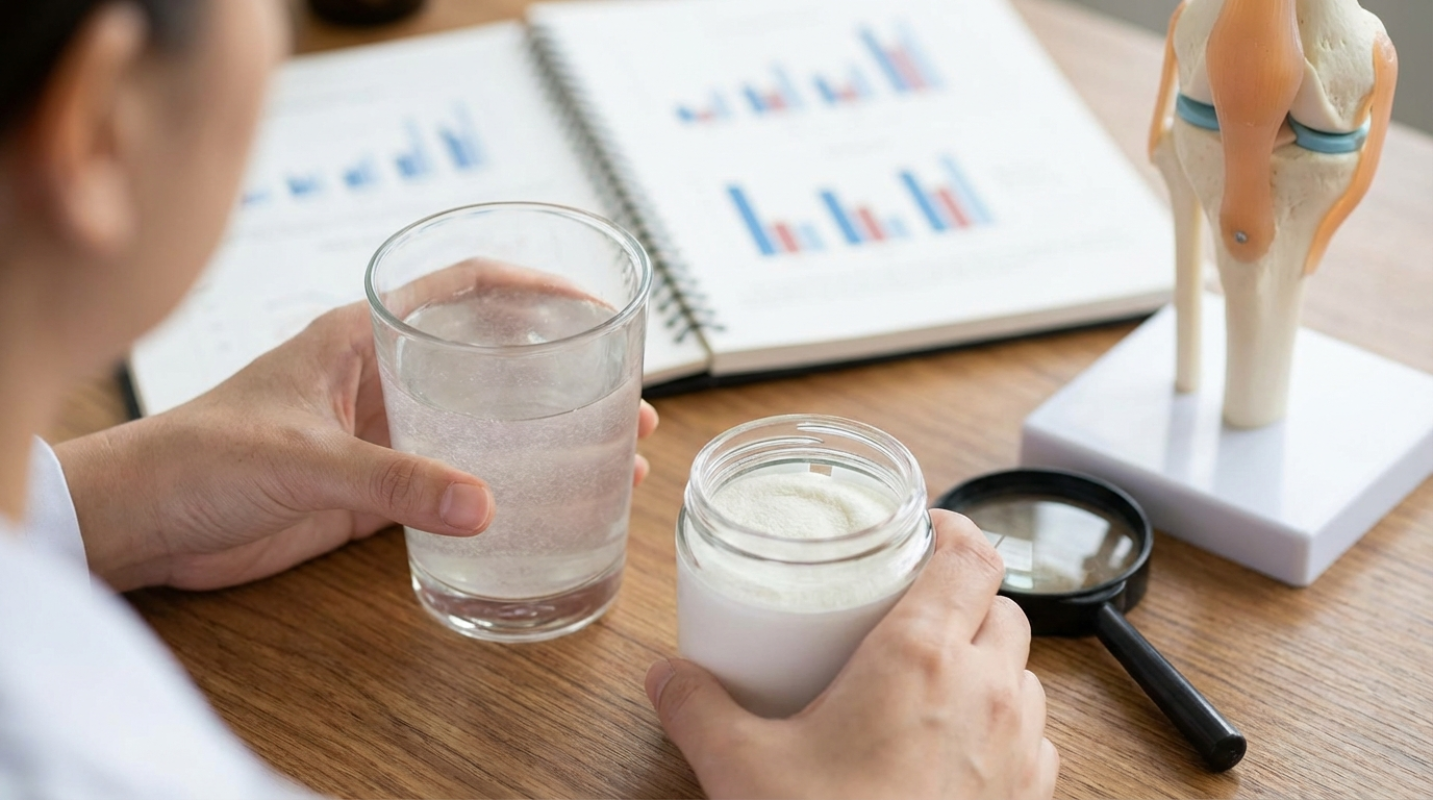
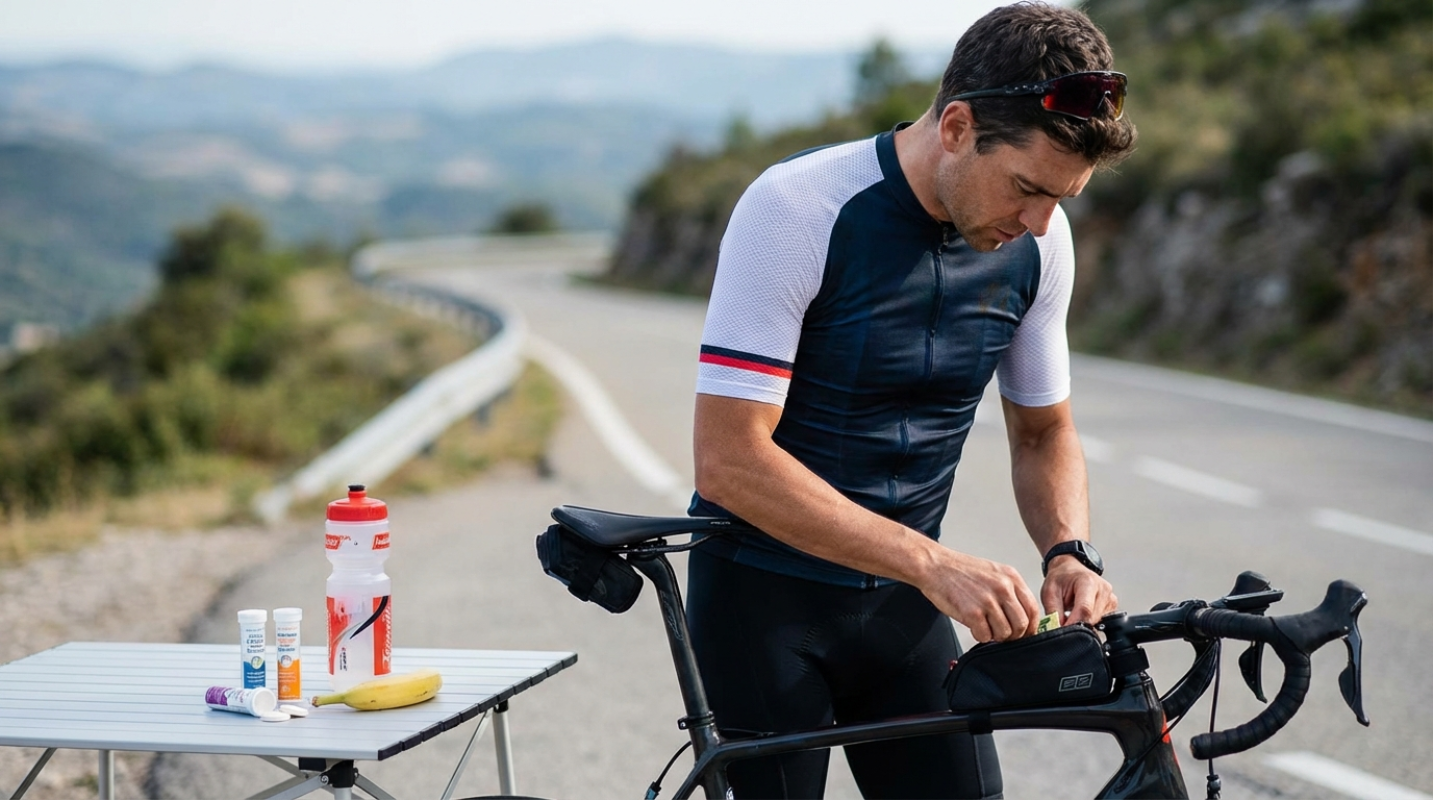
 (Image source: Gemini / Landon Phillips)
 If you’ve ever finished a hard, long effort feeling dizzy, nauseous, or suddenly hit by a muscle cramp that locks your entire hamstring, you already know the struggle. You probably drank water—maybe gallons of it—but something was still fundamentally off. That something is almost always electrolyte balance.
For endurance athletes, electrolytes aren't just minor minerals; they are the electrical system that keeps the whole machine running. They regulate nerve function, trigger muscle contractions, and, most importantly, manage where your body stores fluid.
Why Electrolytes Matter More Than Just Water
Think of electrolytes as the salts that carry electrical charges. When you sweat, you aren’t just losing H2O; you’re flushing out these important minerals. And here’s the kicker: simply replacing fluid volume with plain water can actually worsen the problem.
Why? Because drinking too much pure water dilutes the remaining electrolytes in your bloodstream. This dilution can lead to hyponatremia, a dangerous condition where blood sodium levels drop too low. It’s the silent threat in long-distance events like marathons and Ironmans.
The current approach, especially here in 2026, moves beyond basic volume replacement. The key is personalized mineral replacement. You need to know exactly what you’re losing so you can replace it precisely.
The Big Three: Sodium, Potassium, and Magnesium in Endurance
Although many minerals play a role, three are absolutely important for maintaining peak performance during prolonged efforts.
Sodium (Na+): The Fluid Traffic Cop
Sodium is the primary electrolyte lost in sweat, and frankly, it’s the one you need to worry about the most. It acts like the traffic cop for fluid, determining where water goes in and out of your cells.
Athletes lose sodium at wildly different rates, typically ranging from 460 to 1840 mg per liter of sweat¹. Are you a "salty sweater"—the kind of person who finishes a run with white crusty residue on your face and clothes? If so, your replacement needs are on the high end. Failing to replace this sodium is the fastest route to cramping and performance decline. Sports drinks, therefore, should contain substantial sodium, ideally between 400 and 1100 mg per liter, to be effective¹.
Potassium (K+) and Magnesium (Mg2+): Muscle Support
Potassium (K+) is lost in sweat, though in much smaller amounts than sodium—typically around 160 to 390 mg per liter⁶. It works closely with sodium to maintain fluid balance across cell membranes and is needed for efficient muscle contractions and nerve signaling. Most athletes can handle potassium replacement through diet (think bananas and sweet potatoes), but it’s still an important component in your race-day mix.
Magnesium (Mg2+), but is the recovery hero. It's involved in over 300 biochemical reactions, including energy turnover, protein synthesis, and muscle relaxation. Recent systematic reviews from 2024 indicate that magnesium supplementation can help reduce muscle soreness and offer a protective effect against muscle damage⁵. Individuals engaged in intense, chronic exercise may have a magnesium requirement 10–20% higher than sedentary people⁴. If you struggle with persistent muscle tightness or late-race fatigue, magnesium deserves your attention.
Personalizing Your Electrolyte Needs: Assessment and Testing
The biggest mistake athletes make is using a generic, one-size-fits-all product. Why would you treat your sophisticated athletic engine with a replacement plan designed for a casual gym-goer? You wouldn't. Individualization matters⁷.
The first step in personalization is determining your sweat rate. This is surprisingly easy to estimate at home.
- Weigh yourself nude immediately before a known hard training session (e.g., 90-minute tempo run).
- Record the total fluid you consume during the session.
- Weigh yourself nude immediately after the session.
- Calculate the difference (Weight Loss + Fluid Intake = Total Sweat Loss).
For truly precise sodium replacement, professional sweat patch testing (often available through sports dietitians) is the gold standard. This test measures the exact concentration of sodium in your sweat, giving you the specific numbers you need to target.
Without testing, look for practical at-home clues. Persistent muscle cramping during the final third of a workout or race is usually a glaring signal of insufficient sodium or magnesium. Also, monitor your urine color; if it’s consistently dark, you’re under-hydrated, electrolytes or not.
Strategic Intake: Timing and Delivery Methods
Once you know what you lose, the next challenge is getting those minerals back into your system efficiently. Timing is everything.
Pre-Loading and During-Event Intake
For efforts lasting longer than two hours, a mild sodium pre-load can be highly beneficial. Try sipping 300–500 ml of a light electrolyte drink 60 to 90 minutes before the start². This tops off your sodium stores without causing bloating.
During the event, consistency is non-negotiable. Athletes should aim for regular sips every 10–20 minutes, targeting approximately 400–800 ml of fluid per hour, adjusted based on your individual sweat rate⁷. For sodium, a starting point for intense efforts is 300–600 mg of sodium per hour—a number that must increase if you’re a heavy, salty sweater³.
Programmed vs. Thirst-Driven Hydration
How you manage fluid intake is changing. Traditionally, athletes used Programmed Fluid Intake (PFI)—a prescriptive approach based on sweat rate estimates. But Thirst-Driven Fluid Intake (TDFI) is gaining acceptance, especially in ultra-endurance. TDFI relies on your body’s natural thirst signals, which can reduce the risk of overhydration and subsequent hyponatremia⁸. Listen to your body, but make sure that the fluid you do drink contains sufficient electrolytes.
Delivery Systems
Electrolytes come in many forms, and your choice impacts gut tolerance
- Tablets/Capsules: Excellent for high sodium delivery without the added sugar or flavor. Ideal for athletes who carry their water separately or mix their own carbohydrate drinks.
- Powders/Mixes: Offer complete electrolyte profiles and are easy to mix. Be cautious about concentration; too much powder in too little water can lead to gastrointestinal distress.
- Gels/Chews: Convenient for quick energy, but often contain lower electrolyte levels. Check the labels carefully to make sure you’re hitting your sodium targets.
The Final Phase: Recovery and Environmental Adjustments
Electrolyte approach doesn't end when you cross the finish line. Post-exercise recovery demands prompt and complete rehydration. This means consuming fluid in excess of sweat loss and, importantly, replacing the electrolytes you lost, particularly sodium². Don’t just chug water; choose a recovery drink or even salty snacks to kickstart the rehydration process.
Environmental factors are also massive variables. If you’re racing in extreme heat or humidity, your sweat rate and sodium loss will spike dramatically. You must adjust your hourly intake upwards, potentially targeting the higher end of the 600+ mg/hour sodium range. Conversely, in cold weather, sweat evaporates quickly, making it easy to underestimate your losses. Don't let the cold trick you into neglecting your hydration plan.
If you find yourself struggling with chronic cramping, persistent fatigue, or unexplained performance drops, don't guess. Consult with a sports dietitian. They can perform complete assessments, including sweat testing, to create a truly individualized protocol that supports your peak performance goals. The era of generic electrolyte advice is over. Your performance deserves a customized approach.
Sources:
1. Fluid Replacement in the Endurance Athlete: A Take on Water, Carbohydrates, and Sodium
2. Fluid and electrolyte needs for preparation and recovery from training and competition
3. Electrolyte Approaches for Endurance Athletes
4. Magnesium: A Key Player in Neuromuscular Function and Athletic Performance
5. Magnesium Supplementation for Muscle Performance and Recovery: A Systematic Review
This article is for informational and educational purposes only. Readers are encouraged to consult qualified professionals and verify details with official sources before making decisions. This content does not constitute professional advice.