 (Image source: Gemini / Landon Phillips)
 Intermittent fasting (IF) has moved far past the fad stage. We know now that strategically cycling between eating and fasting periods can deeply impact weight, energy, and longevity. But when people talk about IF, they usually focus on the duration of the fast—16 hours, 24 hours, and so on.
What often gets overlooked is the timing.
This isn't just about when you stop eating; it’s about aligning your meals with your body’s internal clock, a concept known as chrononutrition. Your metabolism isn't static; it shifts dramatically throughout the day. Therefore, the same meal eaten at 8 a.m. and 8 p.m. will be processed very differently.
Our focus here is on insulin sensitivity. Improved sensitivity means your cells respond more effectively to insulin, reducing the risk of type 2 diabetes and boosting overall metabolic health. The core question, backed by the latest 2026 research, is this: Does when you fast and eat matter more than how long? The answer, increasingly, is a resounding yes. We're going to explore how different IF schedules—specifically Time-Restricted Eating (TRE) versus longer fasts—differentially impact your ability to manage glucose homeostasis.
The Mechanics: How Fasting Influences Insulin Signaling
To understand why timing matters, you first need a quick refresher on insulin resistance. Insulin acts like a key, unlocking cells to let glucose in for energy. When you are insulin resistant, those locks get rusty. Your pancreas has to pump out far more insulin just to manage the same amount of sugar.
Fasting provides the necessary rest period. When you stop eating, your body initiates the metabolic switch. It shifts from burning readily available glucose to burning stored fat (in the form of ketones). This process is important because it lowers circulating insulin levels dramatically.
When insulin levels remain low for extended periods, your cells become receptive again. They start translocating GLUT4 (glucose transporters) back to the surface, ready to absorb glucose when you eventually eat. Plus, during a fast, the liver reduces its hepatic glucose output, meaning it stops dumping stored sugar into the bloodstream. This dual action—resting the pancreas and improving cellular response—is the foundation of fasting's power.
Time-Restricted Eating (TRE): Early vs. Late Eating Windows
Time-Restricted Eating (TRE) is perhaps the most popular form of IF, usually involving protocols like 16:8 or 18:6. Here, you simply confine all your calories to a specific window, such as 8 hours. But the placement of that 8-hour window is everything.
Think about your body's natural rhythm. Our circadian system, which regulates sleep and wakefulness, also dictates when our hormones and organs perform best. Best hormonal and hepatic function, important for processing nutrients, peaks in the early morning and starts fading around 4:00 p.m. ⁴.
This is why Early Time-Restricted Feeding (eTRF)—where you eat, say, from 8 a.m. to 4 p.m.—shows superior results compared to late TRE (e.g., 12 p.m. to 8 p.m.). Research consistently shows that glucose tolerance naturally peaks during daylight hours and decreases at night ⁴. If you eat the same meal in the morning, your glucose spike will be lower than if you eat it late in the evening.
In fact, a major meta-analysis published in 2025 confirmed that IF significantly improves insulin sensitivity, showing a pooled mean disparity in HOMA-IR of -0.72 ². HOMA-IR is a key marker for insulin resistance, and the study noted that eTRF showed some of the largest benefits, often unrelated to weight loss ².
So what does this actually mean for your late-night snacking habit? A 2023 study found a strong link between late dining and dysglycemia (poor blood sugar control), regardless of how healthy the food was ⁴. If you want to get the most from insulin sensitivity, you need to finish eating while the sun is still high.
We must add a caveat, however. The ChronoFast Study, a recent 2026 analysis, found that simply shortening the eating window without any calorie reduction resulted in no clinically meaningful changes in insulin sensitivity ³. This suggests that while timing is important, the metabolic benefits often observed in studies are a combination of better timing and the unintended, slight calorie reduction that naturally occurs when you compress your eating window.
Alternate-Day Fasting (ADF) and Longer Fasts: Potent but Complex Effects
Although TRE focuses on daily timing, regimes like Alternate-Day Fasting (ADF) or 24-hour fasts (like Eat-Stop-Eat) focus on extended periods of complete caloric restriction.
These longer fasts are incredibly potent. They force the body into a deeper metabolic switch, driving greater autophagy and potentially leading to more significant reductions in fasting glucose and insulin markers. Like, a 2024 meta-analysis looking at various IF regimens found that twice-per-week fasting was ranked highly for complete improvements in insulin resistance markers ¹.
But complexity arises here. ADF requires a much higher level of dedication and can lead to compensatory eating—the tendency to overeat or make poor food choices during the feeding windows, potentially offsetting the metabolic benefits gained during the fast. If you spend 24 hours fasting only to binge on processed foods and sugar, you’re hitting your metabolic system with a massive, high-insulin load, which counteracts the sensitivity improvements you worked hard to achieve.
For individuals with pre-existing metabolic conditions, longer fasts can be highly effective, but they absolutely require professional guidance to make sure nutritional adequacy and safety.
Tailoring Your IF Schedule for Maximum Metabolic Gain
So, you’re convinced that timing matters. How do you integrate this into your life for maximum metabolic benefit?
First, embrace the principles of eTRF. Aim to push your feeding window earlier in the day. If you’re currently eating from 1 p.m. to 9 p.m., try shifting it to 11 a.m. to 7 p.m., or even 10 a.m. to 6 p.m. This aligns your largest meals with your peak metabolic efficiency ⁵.
The single most important practical step you can take is to make dinner early and small. Expert consensus suggests finishing your last meal at least three hours before bedtime to make sure your body is focused on repair, not digestion, while you sleep ⁵. Ending your last meal between 6 p.m. and 8 p.m. is generally associated with better metabolic outcomes.
For a foundational level of metabolic support, aim for a 13-hour overnight fast from dinner to breakfast ⁵. This relatively gentle fast supports balanced glucose and calmer insulin levels without demanding extreme dedication.
Top Recommendations for Optimizing Insulin Sensitivity
- Prioritize the Morning: Eat your largest meal (or the most carbohydrate-dense meal) earlier in the day when your insulin sensitivity is naturally highest.
- Shorten the Window: Although a 10-hour window is a great start, a 4-6 hour eating window has shown greater benefits in some studies for reducing fat mass and improving blood pressure ⁵. Experiment to find your sweet spot.
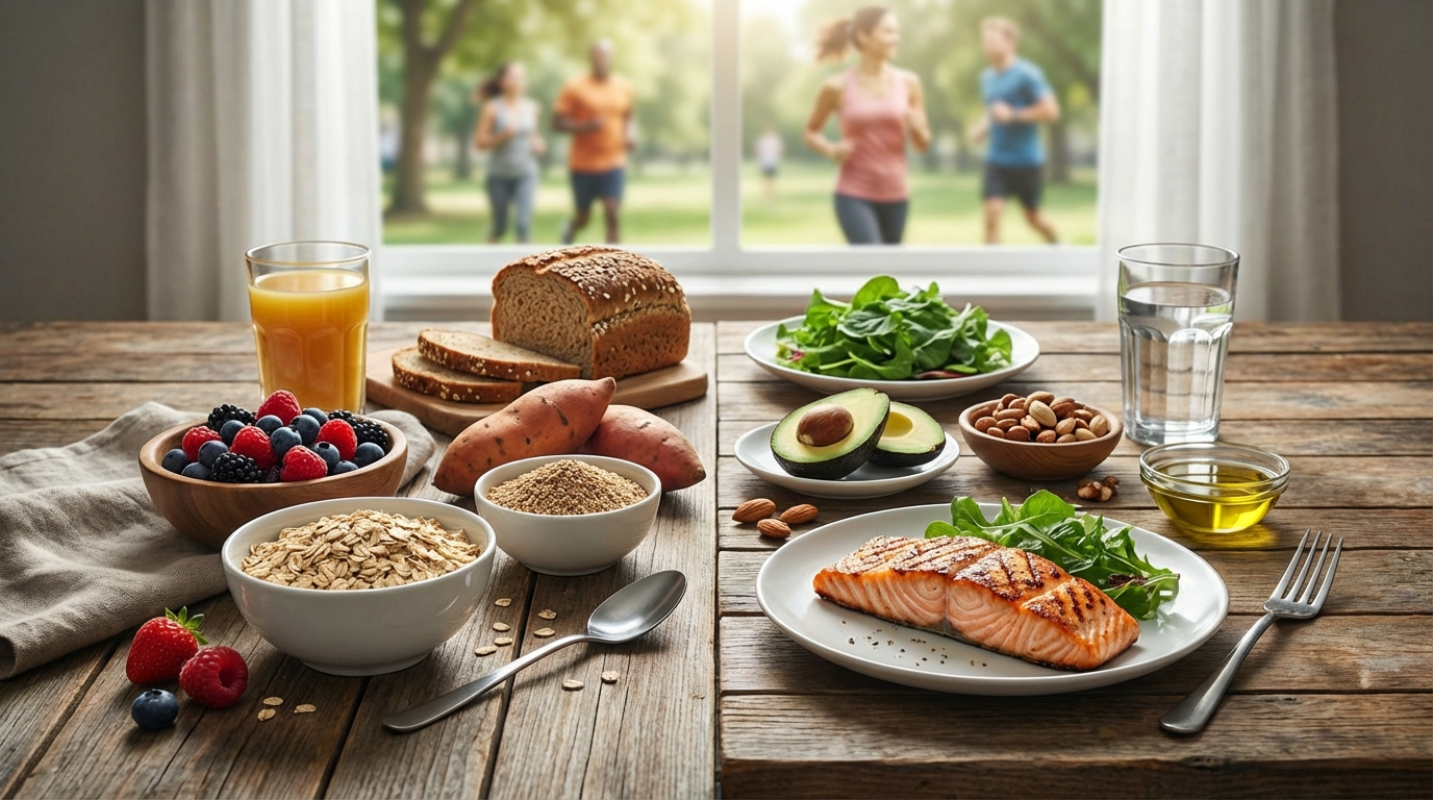
- Focus on Quality: Within your eating window, meal composition is important. High-fiber, whole foods, and healthy fats will keep insulin spikes minimal, getting the most from the benefits gained from the fasted state.
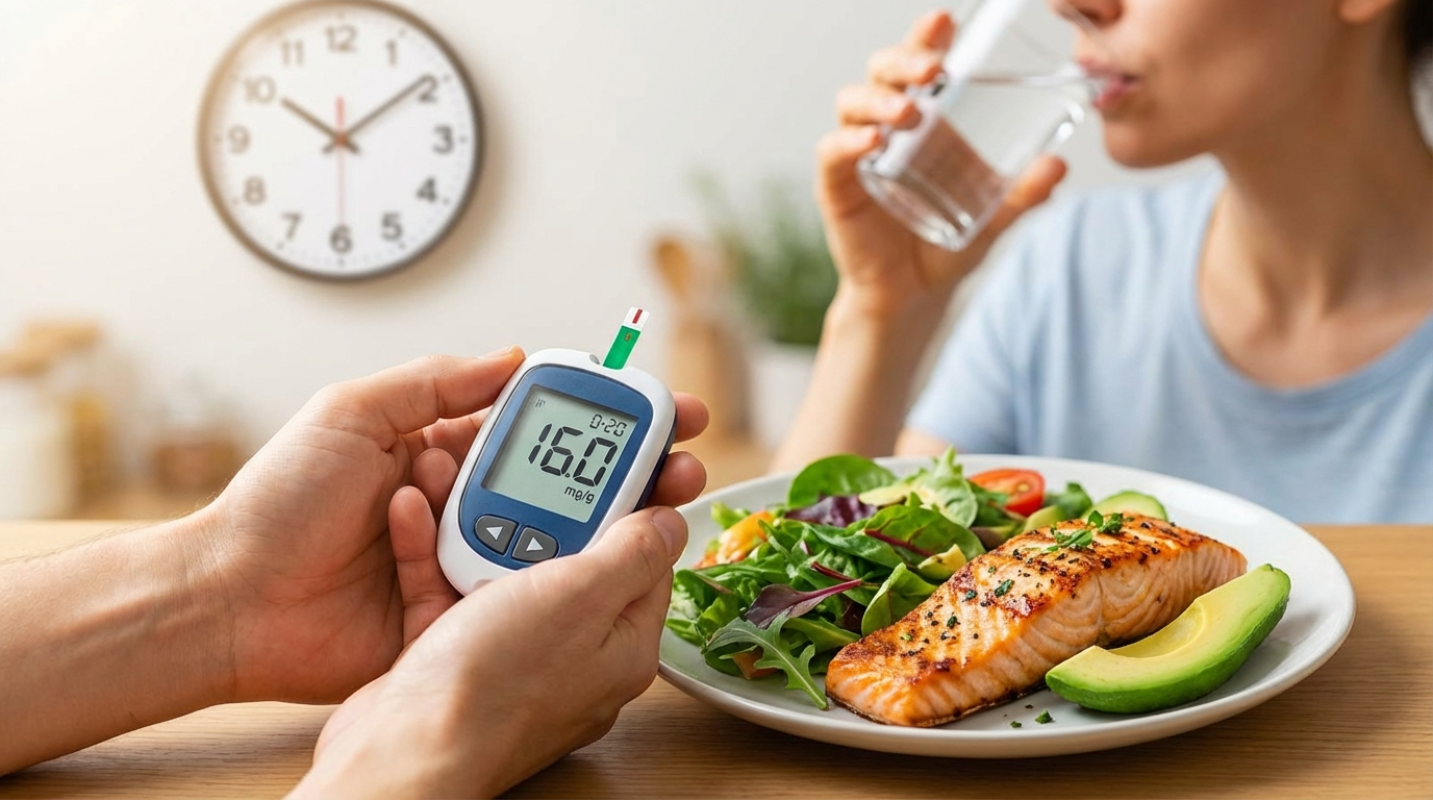
If you are looking for tools to track your fasts and glucose levels, consider these options
By consciously deciding when to eat, rather than just what to eat or how long to fast, you are harnessing your body’s natural circadian rhythms to fight insulin resistance. This isn't just about dieting; it’s about timing your nutrition to make your hormones work for you, not against you.
Sources:
1. Meta-Analysis on IF Regimens and Type 2 Diabetes
2. Meta-Analysis on IF and Insulin Sensitivity (HOMA-IR)
3. ChronoFast Study on TRE and Calorie Reduction
4. Chrononutrition, Circadian Rhythm and Glucose Tolerance
5. Expert Opinion on Time-Restricted Eating Parameters
This article is for informational and educational purposes only. Readers are encouraged to consult qualified professionals and verify details with official sources before making decisions. This content does not constitute professional advice.