 (Image source: Gemini / Landon Phillips)
 You’ve done the diet merry-go-round. We all have. You tried Keto because your neighbor swore by it, but you felt sluggish. You attempted Paleo, but your energy levels tanked. Sound familiar? The frustrating truth is that standard, generic diets fail most people because they ignore the one thing that makes you unique: your DNA. What works perfectly for a person with a slow-carb metabolism might be a recipe for disaster for someone whose body processes fats efficiently.
Enter personalized nutrition. This isn’t about guessing; it’s about reading your genetic instruction manual. We’re talking about nutrigenetics—understanding how your genes affect your nutrient requirements—and nutrigenomics—how those nutrients, in turn, affect your gene expression.
This approach offers a powerful, science-backed pathway to best health. It moves beyond restrictive rules and puts the focus squarely on your biological blueprint.
The Science Behind the Plate Key Genes and Nutritional Traits
So, what exactly are these genes telling us? Think of your DNA as a massive control panel, and certain switches dictate how you handle specific foods and nutrients.
One of the most discussed switches is the MTHFR gene. Variations here can affect your body's ability to process folate (Vitamin B9). If you have a variant that makes this process less efficient, you might need higher intake or a specific, already-converted form of folate to avoid deficiency and support key metabolic functions.¹
Then there’s the notorious FTO gene. Often called the "obesity gene," variations in FTO don't determine your fate, but they do indicate a predisposition. People with certain FTO genotypes often struggle more with satiety signals, meaning they might need specific dietary structures—often emphasizing reduced fat intake—combined with increased physical activity to manage weight effectively.²
Genes also dictate how you handle macronutrients. Some people are genetically predisposed to thrive on carbohydrates, while others, due to variations in genes like TCF7L2, need controlled carb intake to maintain stable blood sugar levels and manage Type 2 diabetes risk.³
This level of detail extends to things you might never have considered. Your genes can determine how well you absorb certain vitamins, how quickly your liver detoxifies substances, and even how sensitive you are to caffeine. Like, some people metabolize caffeine slowly, leading to jitters and anxiety, while others clear it quickly and feel little effect.
From Raw Data to Actionable Advice The Process of Genetic Interpretation
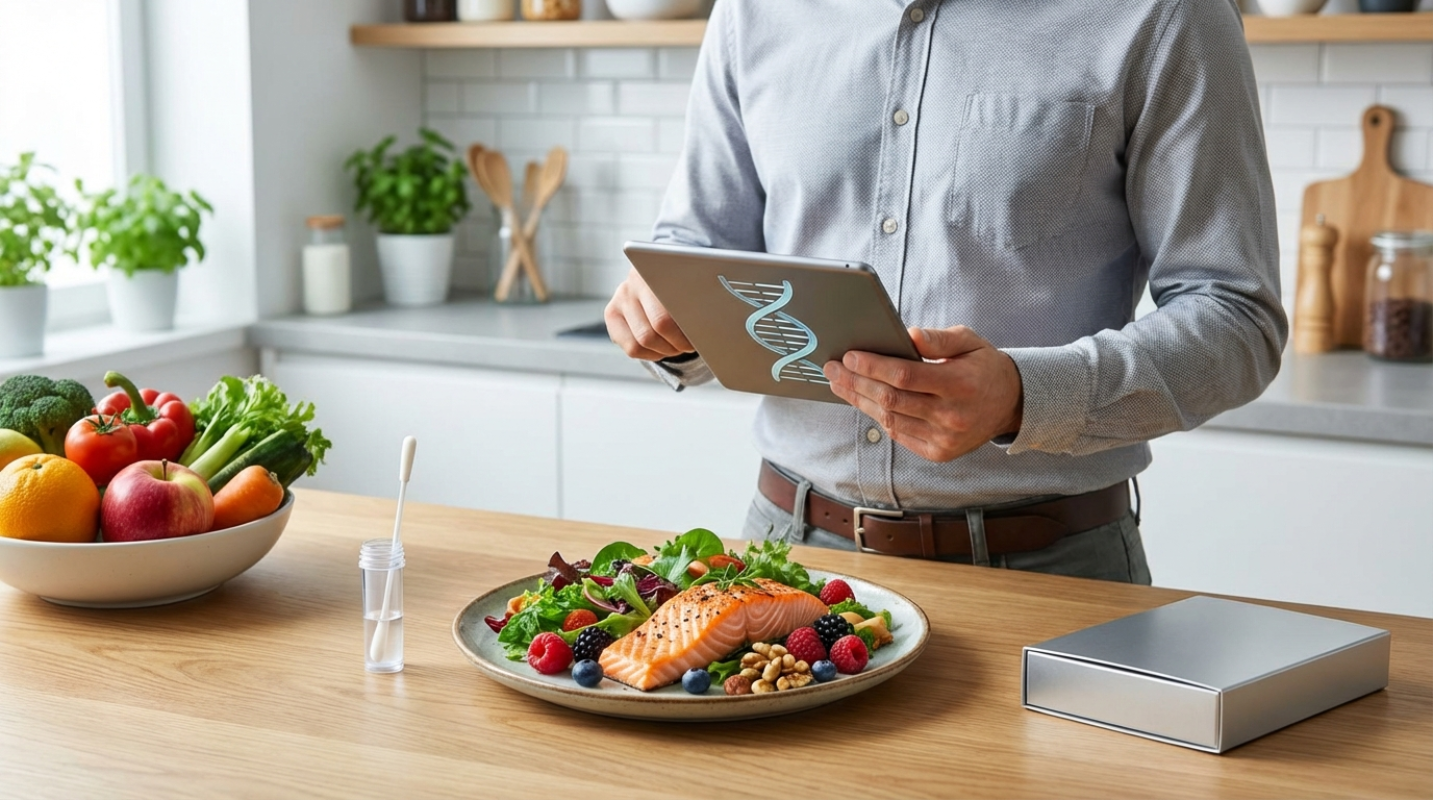
Getting your genetic data is the easy part. A simple saliva or cheek swab test is sent off, and within weeks, you receive a report detailing thousands of markers.
But here’s the key: That raw data is just the language. You need a translator.
Interpreting complex genetic reports and translating them into a daily meal plan requires qualified expertise. This is where Registered Dietitians (RDs) and genetic counselors who specialize in nutrigenomics step in. They don’t just hand you a list of risk factors; they help you distinguish between strong genetic predispositions and modifiable lifestyle factors.
It's the ultimate nature vs. nurture conversation. Your genes might give you a higher risk for high cholesterol (APOE variations), but your lifestyle—specifically adjusting fat intake and increasing omega-3s—can completely mitigate that risk.¹ The genes load the gun, but environment pulls the trigger. The goal of personalized nutrition is to keep that trigger locked.
Real-World Results and Top Recommendations
The promise of genomics isn't just theoretical; it’s validated by real-world efficacy studies.
In 2024, pilot studies confirmed that DNA-based dietary advice, especially when paired with personalized coaching, was demonstrably more effective than traditional generic dietary interventions for regulating blood glucose in at-risk individuals.⁴ Plus, research focused on regionally adapted diets based on genetic heritage—like the "Genomex diet"—showed a significant 50% reduction in insulin resistance markers after just three months.⁵
This efficacy has fueled massive growth. The personalized nutrition market, driven heavily by genomic testing, was valued at over $14 billion in 2024 and continues its rapid expansion in 2026.⁶
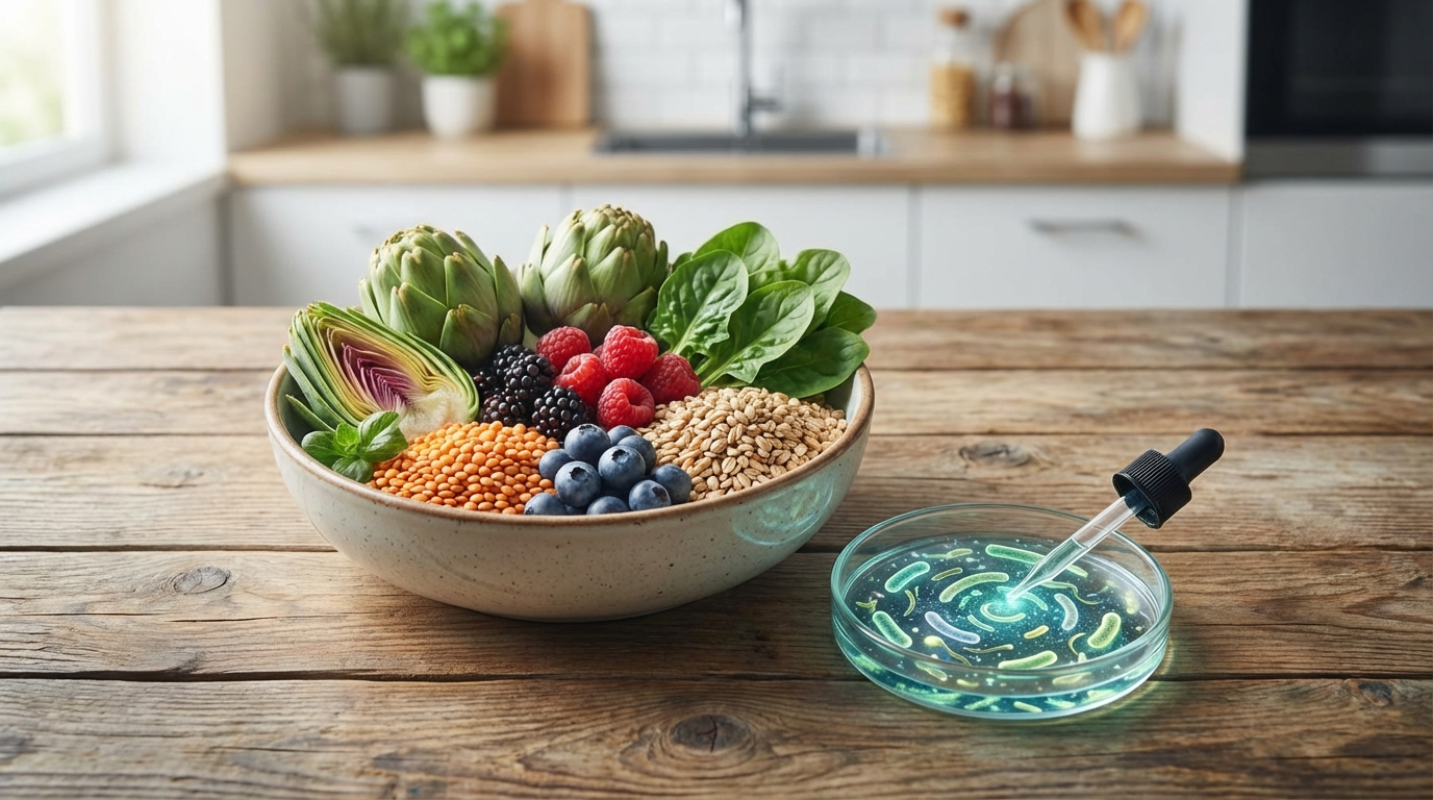
So, how do you find the right genetic plan? You need services that integrate genetic data with other important factors—like blood parameters, activity, and even gut microbiome data—using machine learning to generate truly dynamic recommendations.
Understanding the Future Privacy, Limitations, and AI
Although the future of personalized nutrition looks bright, we have to talk about the roadblocks.
The first major hurdle is data security. When you hand over your genetic code to a commercial company, you are providing the most sensitive personal data imaginable. As direct-to-consumer (DTC) testing grows, concerns about privacy and data handling become paramount. We need a strong regulatory framework to keep your genetic blueprint safe.
The second challenge is professional knowledge. Despite the market boom, there’s a significant gap among healthcare providers. As of 2024, nearly 76% of Registered Dietitians in the public sector reported that they lacked the basic knowledge required to confidently integrate nutrigenomics into their practice.⁷ This knowledge gap highlights the urgent need for specialized training to make sure that the recommendations you receive are scientifically sound and not just marketing hype.
Finally, genetics is not the whole story. Your DNA is only one piece of the puzzle. Factors like your current stress levels, sleep quality, and the state of your gut microbiome play equally important roles. This is why the industry is moving toward multi-omics—combining genetics with metabolomics and proteomics for a complete picture.
Looking ahead to the next few years, expect AI to become the ultimate personalized nutrition coach. AI is already being used to process the massive amounts of data from your wearables, blood tests, and genomic profile simultaneously.⁸ This integration will make tailored nutrition more precise, dynamic, and accessible than ever before, moving us closer to a world where your diet is truly, and scientifically, designed just for you.
Sources:
1. Personalized Nutrition The Future of Health and Wellness
2. Genomex diet effectiveness based on inherited genetic adaptations and clinical parameters
3. Personalized nutrition in the prevention and management of type 2 diabetes
4. DNA-based dietary advice for blood glucose control: A pilot study
5. Our pick of 2024’s top trends in personalised nutrition
This article is for informational and educational purposes only. Readers are encouraged to consult qualified professionals and verify details with official sources before making decisions. This content does not constitute professional advice.