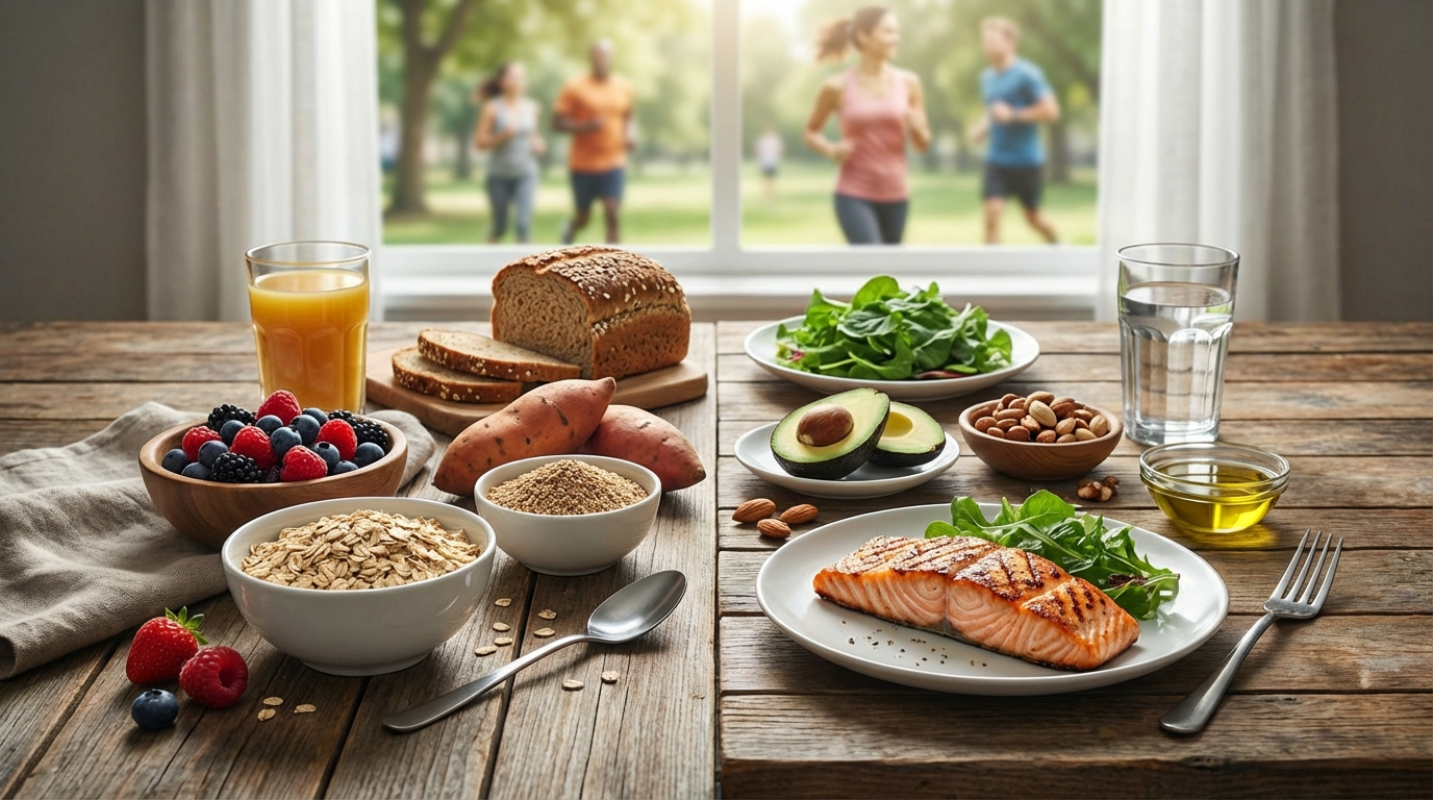
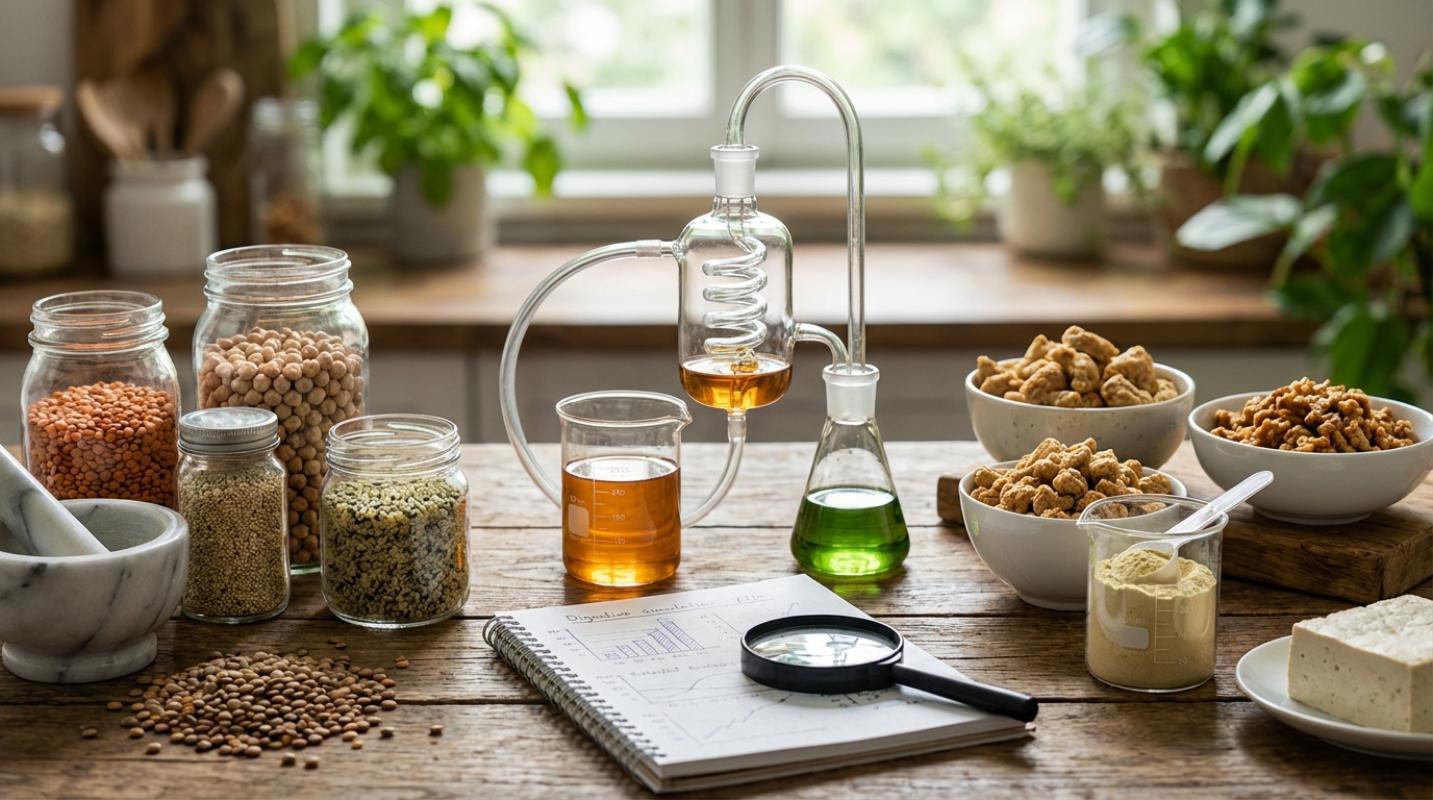
 (Image source: Gemini / Landon Phillips)
 If you’ve committed to a plant-based diet—whether you’re an elite athlete or just trying to eat more ethically—you’ve likely heard the term "incomplete protein." It’s an outdated concept, yet it still causes anxiety. The real issue isn't whether a plant source is "complete," but rather how much of that protein your body can actually break down and use.
That, my friend, is the important question of digestibility.
It turns out that not all plant proteins are created equal. Some, like highly processed soy, perform almost identically to animal proteins. Others, like certain grains, require strategic pairing or advanced processing to deliver their full nutritional punch.
Understanding protein digestibility is the key to optimizing your plant-based nutrition and making sure you’re getting the amino acids you need without having to eat twice the volume.
The Science of Protein Quality, PDCAAS, and the Modern DIAAS Metric
For decades, we used a scoring system called the Protein Digestibility Corrected Amino Acid Score (PDCAAS). Sound familiar? It was the standard way to grade protein quality.
The problem with PDCAAS was that it overstated the nutritional value of proteins that weren’t fully absorbed. It calculated digestibility based on fecal measurements, which is basically assessing what went in versus what came out. It didn’t account for the important step: what was actually available to your body for use.
Why DIAAS is the Gold Standard
Today, we rely on the Digestible Indispensable Amino Acid Score (DIAAS). Think of DIAAS as the digital upgrade to the old analog system.
DIAAS measures the digestibility of individual indispensable amino acids (IAAs) at the end of the small intestine (the ileum)¹. This ileal measurement tells you precisely what amino acids are truly available for absorption and utilization, providing a far more accurate measure of protein quality.
A score of 100 or greater means the protein is considered "High Quality." Scores between 50 and 100 are "Moderate Quality." This score is important because it helps us identify the limiting amino acid—the indispensable amino acid that’s present in the lowest concentration relative to human requirements.
Comparing the Heavyweights. Digestibility Scores of Top Plant Proteins
When we look at plant proteins through the lens of DIAAS, a clear hierarchy emerges.
Soy Protein Isolate - The Benchmark
If you’re looking for a plant protein that performs like whey, Soy Protein Isolate (SPI) is your winner.
SPI consistently ranks as the highest-quality plant protein, often achieving DIAAS values for adults between 87 and 105, frequently hitting that "High Quality" threshold³. This exceptional performance is due to its strong and well-balanced amino acid profile.
But even soy isn’t perfect. Its limiting factor is typically the sulfur-containing amino acids (SAA), such as methionine. Importantly, the form of soy matters. Highly processed isolates usually score better than whole soybean flour because processing removes antinutrients that inhibit digestion.
Pea Protein - The Popular Workhorse
Pea protein has exploded in popularity, especially in powders and meat alternatives. It’s a great source of the branched-chain amino acid leucine, which matters for muscle synthesis.
But on its own, its digestibility is only moderate. Pea Protein Concentrate (PPC) typically lands in the 64 to 73 DIAAS range for adults². Like soy, pea protein is limited by sulfur-containing amino acids (SAA).
This limitation is exactly why you rarely see pure pea protein sold commercially. Manufacturers know the science: to boost its DIAAS score, you must blend it.
The Power of Blending: Pea and Rice Synergy
If you look at the ingredient list of most high-quality plant protein powders, you’ll find a mix of pea and rice. This isn't random; it’s nutritional teamwork.
Rice protein, though easily digestible, is severely limited by Lysine. Its DIAAS score hovers around 60⁴. Notice the pattern? Pea protein is limited by SAA, and rice protein is limited by Lysine. By combining them, their amino acid profiles complement each other perfectly, creating a complete protein blend that can achieve a DIAAS score of approximately 90%—a fantastic result for a plant-based option².
Grains and Legumes: The Lysine Challenge
When consuming grains like wheat, you face a significant digestibility hurdle. Wheat protein has a lower DIAAS, often falling between 42 and 66, and is also limited by Lysine⁴. This is why cultures traditionally pair grains (like corn or rice) with legumes (like beans or lentils) in meals—it naturally completes the amino acid profile.
Getting the most from Absorption: Preparation Techniques That Boost Digestibility
The good news is that the protein quality of many plant foods isn't static. You have control over it. Both traditional preparation methods and modern food science techniques can significantly improve how much protein you absorb.
Traditional Methods
You don’t need a lab coat to improve digestibility. Simple kitchen techniques work by neutralizing anti-nutritional factors (ANFs)—compounds naturally found in plants (like phytates and tannins) that bind to protein and prevent your enzymes from accessing the amino acids.
- Soaking and Sprouting: Soaking legumes overnight and allowing them to sprout helps break down complex carbohydrates and ANFs, making the protein more accessible.
- Fermentation: Fermentation, used in making tempeh or miso, is a powerful approach for improving protein bioavailability by reducing ANFs⁶.
- Heat Treatment: Cooking your beans and grains denatures the protein structure, unfolding it and making it easier for digestive enzymes to attack.
The Future of Food Processing
For commercially available proteins, manufacturers are using advanced techniques to make sure maximum absorption. If you’re buying a protein powder, look for these terms
- Enzymatic Hydrolysis: This is pre-digesting the protein. Enzymes break the protein down into smaller peptides, which are absorbed more quickly and efficiently. Hydrolyzed plant proteins offer superior digestibility⁶.
- High-Pressure Processing (HPP): HPP uses intense pressure to unfold the protein structure without excessive heat. This increases enzyme accessibility, which has been shown to improve gastric digestion in proteins like pea concentrate⁵.
- Ultrasonication: This technique uses sound waves to disrupt protein aggregates, exposing the hidden parts of the protein to digestive enzymes.
Practical Application: Choosing the Right Plant Protein for Your Goals
So what does all this science mean for your next grocery trip? It means you need to be strategic about your protein choices, especially if you’re an athlete or someone with high protein requirements.
If your goal is general health, you can rely on the traditional method of blending—make sure your plate features a mix of grains, legumes, and seeds throughout the day. Don't worry about hitting all the amino acids in one meal; your body is smart and stores them in an amino acid pool.
For athletes or those prioritizing muscle synthesis, aim for isolated or processed proteins that have high DIAAS scores.
Reading Labels and Finding Quality
When you check the label on a protein powder, don’t just look at the grams of protein. Look at the ingredients.
- Seek out blended proteins (pea and rice).
- Look for terms like "isolate," "hydrolyzed," or "concentrate," which indicate processing designed to remove ANFs and boost digestibility.
In 2026, researchers are even developing tools like the Meal Protein Quality Score to assess the nutritional quality of mixed plant-based meals, moving beyond the single-ingredient focus of DIAAS. This innovation will help consumers and developers alike optimize ingredient ratios for better nutritional outcomes⁷.
Choosing a plant-based protein doesn't mean settling for less. It just means being smarter about how that protein is prepared and consumed. By understanding the difference between PDCAAS and DIAAS, and prioritizing high-quality, processed, or intelligently blended sources, you can make sure your diet is ethical and sustainable but also nutritionally superior.
Sources:
1. mdpi.com - Protein Digestibility and the Modern DIAAS Metric
2. fitnessfaction.com - Ultimate Guide to Protein Quality DIAAS Scores
4. reddit.com - DIAAS for different proteins
5. mdpi.com - High-Pressure Processing of Pea Protein Concentrate
This article is for informational and educational purposes only. Readers are encouraged to consult qualified professionals and verify details with official sources before making decisions. This content does not constitute professional advice.