 (Image source: Gemini / Landon Phillips)
 Living with Attention-Deficit/Hyperactivity Disorder (ADHD) means navigating a world built for brains that process information differently. The symptoms—inattention, emotional dysregulation, impulse control issues—are often invisible, making them incredibly difficult to track, measure, and manage effectively.
For decades, management relied almost entirely on subjective reports: a patient trying to remember how focused they were last Tuesday, or a parent grading behavior from memory. Sound familiar? That’s where the trouble starts.
Today, digital platforms are fundamentally changing this dynamic. We’re moving beyond guesswork. Tools like dedicated apps, smartwatches, and even smartphone sensor data now offer objective, real-time windows into the brain’s functioning.
This shift isn't just about convenience; it’s about accuracy. Digital platforms offer unprecedented consistency and insight, making ADHD self-management data-driven, personalized, and far more effective.
Why Traditional Monitoring Falls Short: The Need for Data
The biggest enemy of effective ADHD treatment is recall bias.
When your clinician asks how your focus has been over the last month, your answer is filtered through your current mood and the most recent, salient events. You might remember the terrible day you missed a deadline, forgetting the two weeks where your new medication was working perfectly.
Paper diaries and memory-based assessments are inconsistent and highly subjective. They provide episodic snapshots, not the continuous data stream required to understand complex, fluctuating symptoms.
Think of it like trying to manage your blood sugar using only your memory of what you ate two weeks ago. You need objective, time-stamped data to spot patterns.
For ADHD, this objective data matters to understanding three things: medication efficacy, environmental triggers, and comorbidity management. Like, if you track your sleep quality alongside your task completion, you can see if your 3 p.m. slump is due to medication wearing off or simply poor sleep the night before.
The Digital Toolkit: Types of Platforms and Their Applications
The digital ecosystem for ADHD is vast, ranging from simple habit trackers to sophisticated clinical tools.
We can generally categorize these tools into two camps: dedicated Digital Therapeutics (DTx) designed for clinical intervention, and general wellness and productivity apps adapted for ADHD management.
Measuring the Invisible
What are these platforms actually measuring? They convert subjective experiences into measurable inputs.
- Active Tracking: This requires user input, like logging mood swings, recording subjective focus scores (e.g., rating focus 1–10 after a task), or manually logging task completion rates. Some specialized apps use gamified reinforcement to tap into dopamine pathways, which can increase adherence and engagement, proving highly effective in some trials. A 2024 multicenter trial found 78% adherence to prescribed DTx regimens, compared to only 52% for stimulant medications.¹
- Passive Tracking (Digital Phenotyping): This is the high-tech frontier. Digital phenotyping collects real-world behavioral data automatically from your personal devices. This includes monitoring sleep quality via a wearable device (like a Fitbit), tracking daily steps, or analyzing how quickly and consistently you respond to notifications on your phone.
Research using the ADHD Remote Technology (ART) System shows that key digital markers for inconsistent attention are emerging. A 2025 prospective study identified that adults with ADHD were significantly slower and more variable in their speed of responding to smartphone notifications, suggesting candidate digital signals for task completion difficulties.⁷
Visualization Makes Sense of Chaos
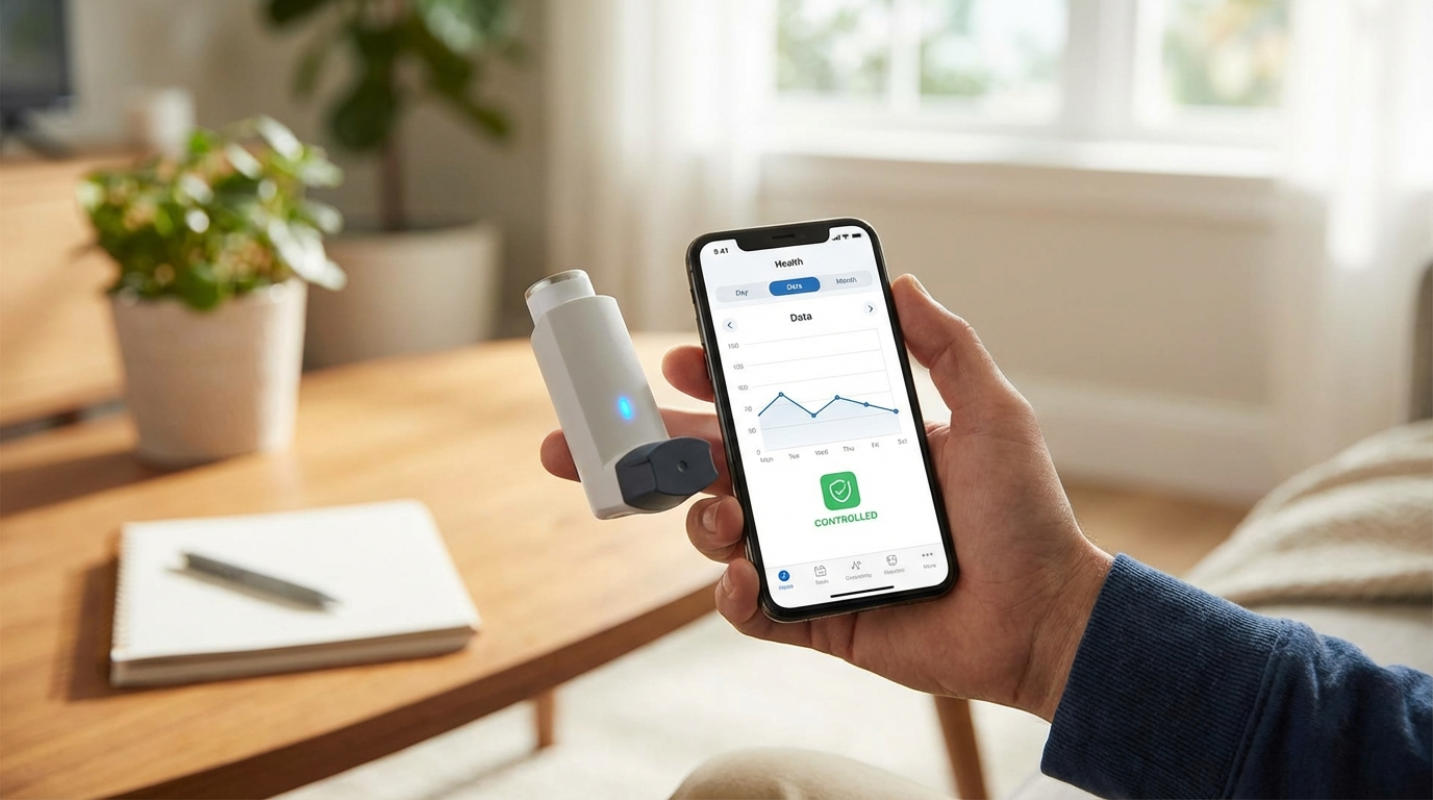
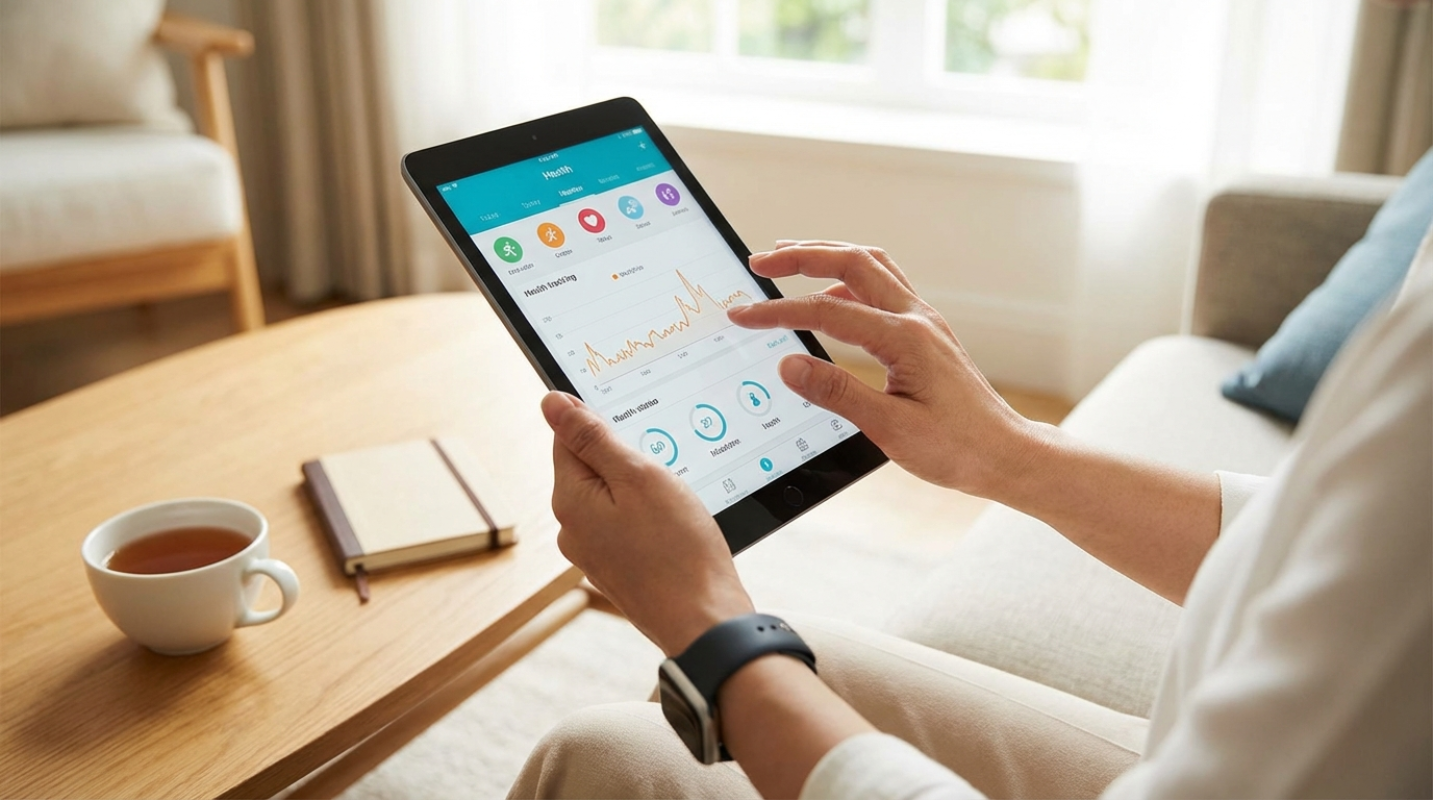
The true power lies not just in collection but in visualization. Digital platforms instantly transform a lot of data logs into clear graphs and trends.
You can see the relationship between a poor night’s sleep and a spike in emotional dysregulation the following afternoon. You can pinpoint exactly when your medication peaks and when symptoms return, providing key information for dosage titration.
Bridging the Gap: Integrating Digital Data with Clinical Care
The goal isn't just to generate pretty charts for yourself; it’s to make your clinical sessions actionable.
When you bring a detailed, six-week log of your sleep and focus scores to your psychiatrist, the conversation shifts instantly. Instead of asking, "How have you been?" the clinician can ask, "I see your focus dropped sharply every day between 2 p.m. and 4 p.m. Is that when you usually have your dose?"
This shared data drastically improves the diagnosis and titration process. It replaces vague descriptions with specific, time-stamped evidence. Experts advocate for using clinically approved objective ADHD tools that provide these data-driven insights, supplementing subjective assessments and increasing clinician confidence in treatment planning.⁵
Unfortunately, integration remains a major hurdle. A 2025 report from the ADHD Taskforce in the UK highlighted that many services remain paper-based and that ADHD data often doesn't link across different systems.⁵ We are still struggling with fragmentation.
Although digital interventions show potential benefits, a 2025 systematic review of reviews concluded that their overall effectiveness remains inconclusive due to the low quality and lack of strongness in much of the current research.¹⁰ This means clinicians must rely on platforms backed by rigorous testing.
That said, digitally delivered psychoeducation has demonstrated clear efficacy. A 2025 systematic review found that this type of digital support significantly reduced ADHD symptoms, with self-rated symptom changes ranging substantially among studies.³
Security and Trust
We can’t discuss sharing sensitive health data without talking about privacy. As you integrate more sophisticated tools, especially those that track passive behavioral data, you must be acutely aware of security and privacy protocols. Always prioritize platforms that clearly outline their data encryption and sharing policies, making sure they comply with health privacy regulations before you hit "share."
Challenges and Best Practices for Effective Digital Monitoring
The irony of asking someone with ADHD to adopt a new, complex tracking routine is not lost on anyone. The biggest risk here is app fatigue. You download the tool with enthusiasm, use it diligently for three days, and then forget it exists.
The key to successful digital monitoring is making it routine, simple, and non-a lot of.
Top Recommendations for Sustainable Tracking
- Start Small and Specific: Don't try to track everything at once. Focus on one symptom (e.g., emotional outbursts) and one input (e.g., sleep duration). Once that’s automatic, add another.
- Automate Everything Possible: Rely on passive data collection (wearables, smartphone sensors) over manual input whenever you can. If the app requires 10 clicks, you won't use it.
- Batch Your Input: Set a specific, non-negotiable time (like right before bed or immediately upon waking) to review the day and enter manual data. This turns tracking into a single, scheduled task rather than a constant interruption.
The Future is Personalized Feedback
The next generation of platforms is moving beyond simple data logging toward AI feedback loops. Instead of just showing you a graph, the platform will analyze the data and provide personalized, immediate alerts—noticing that your activity levels drop significantly at 11 a.m. and suggesting you take a structured movement break.
This integration of multi-modal data and AI is predicted to improve personalized treatment planning, allowing clinicians to tailor interventions and optimize your outcomes more precisely. It means the platform doesn't just record your struggles; it helps you solve them in real-time.
Sources:
1. The Promise of Digital Therapeutics for ADHD: Transforming Care Now and in the Future
2. Digital Tools That Stick: Optimize ADHD Symptom Management Without Adding More Friction
4. ADHD Taskforce Finds ADHD services Need to be Digitised and Data Improved
This article is for informational and educational purposes only. Readers are encouraged to consult qualified professionals and verify details with official sources before making decisions. This content does not constitute professional advice.