.png) (Image source: Gemini / Landon Phillips)
(Image source: Gemini / Landon Phillips) When you live with Inflammatory Bowel Disease (IBD)—whether it’s Crohn’s Disease (CD) or Ulcerative Colitis (UC)—achieving remission feels like winning the lottery. You finally feel normal again. But here’s the important question your gastroenterologist (GI) asks: Are you really in remission? For decades, we relied almost entirely on symptoms. If you weren't running to the bathroom 10 times a day, you were "in remission." But modern IBD care, especially in 2026, has radically shifted. We now know that feeling good doesn't always mean your gut is healing. Active, silent inflammation can still be simmering, leading to long-term damage, strictures, and hospital stays. This shift defines the Treat-to-Target (T2T) approach: we aim for deep remission, meaning no symptoms and no inflammation. To hit that target, we need objective, personalized monitoring tools. It’s no longer enough to ask, "How do you feel?" We have to ask, "What are the biomarkers saying?"
Biomarkers in the Blood and Stool: The First Line of Defense
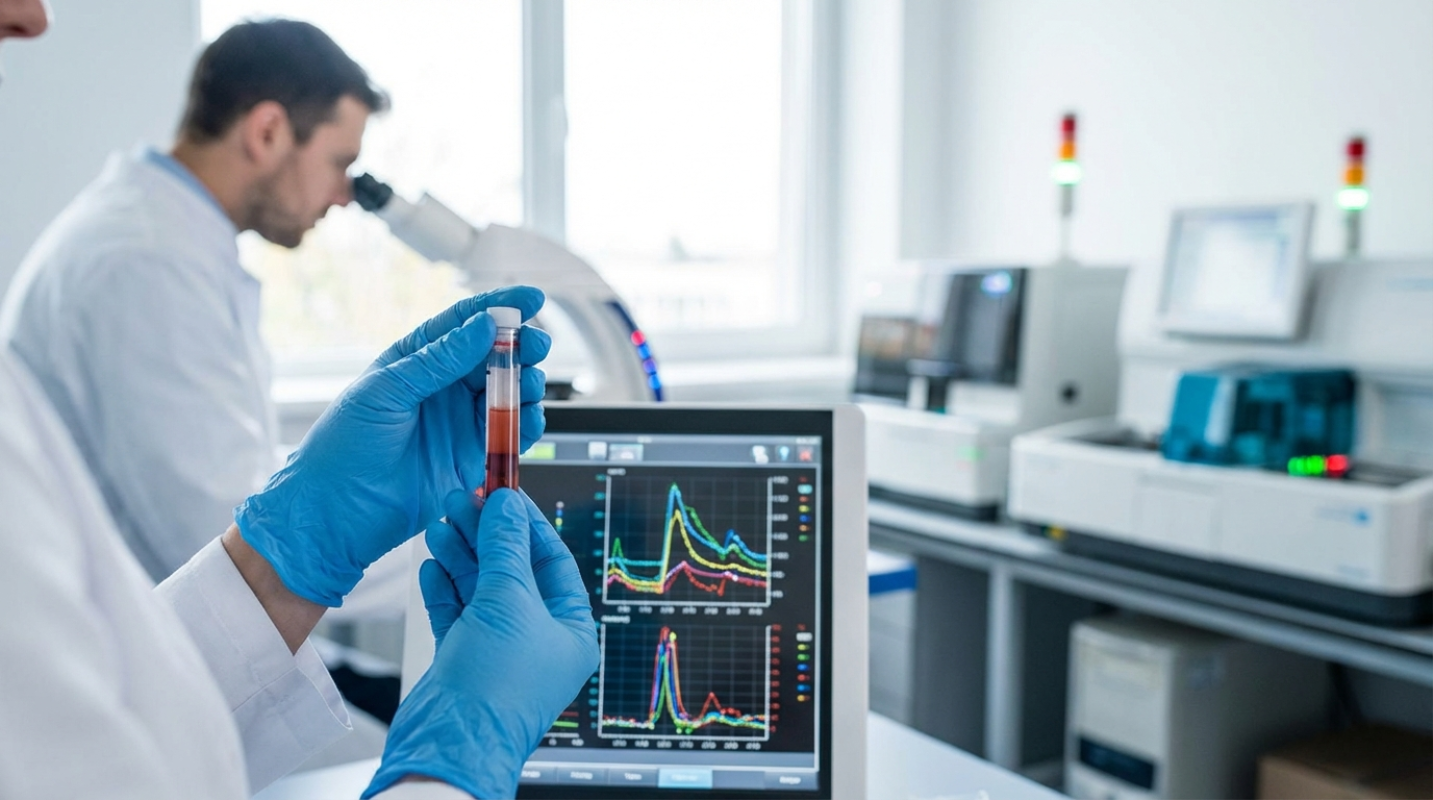
If endoscopy is the gold standard for monitoring, biomarkers are your early warning system. They offer rapid, non-invasive insight into what’s happening beneath the surface.
Fecal Calprotectin (FCAL) — The Superstar
If you’re monitoring IBD, you know this test well. FCAL is a protein released by neutrophils (a type of white blood cell) when inflammation is active in the intestinal lining. It’s highly sensitive and specific for mucosal inflammation, making it the most commonly used and available non-invasive screening tool globally.¹
Think of FCAL as the dipstick for your gut's inflammation level.
Experts are clear on its benchmarks. The 2023 AGA guidelines suggest that if you are in symptomatic remission, an FCAL reading below 150 \mug/g—especially when combined with a normal CRP—can often rule out active inflammation, potentially sparing you an immediate colonoscopy. For UC patients, identifying active histologic inflammation can happen with FCAL readings as low as 50 \mug/g. These numbers provide your GI with actionable data before you even develop symptoms.
C-Reactive Protein (CRP)
CRP is FCAL’s trusty, if less specific, sidekick. It’s a blood test that measures general systemic inflammation. Although fast and cheap, CRP has limitations. It can be elevated by things other than IBD (like a cold or arthritis), and importantly, some inflammation can be localized to the gut without raising systemic CRP levels.
That’s why these two markers are almost always used together. They form the initial screening pair that dictates whether you need to escalate monitoring.
Imaging Modalities: Visualizing Healing from Within
Although biomarkers tell us that something is happening, imaging tells us exactly where and how bad it is.
Endoscopy: The Gold Standard
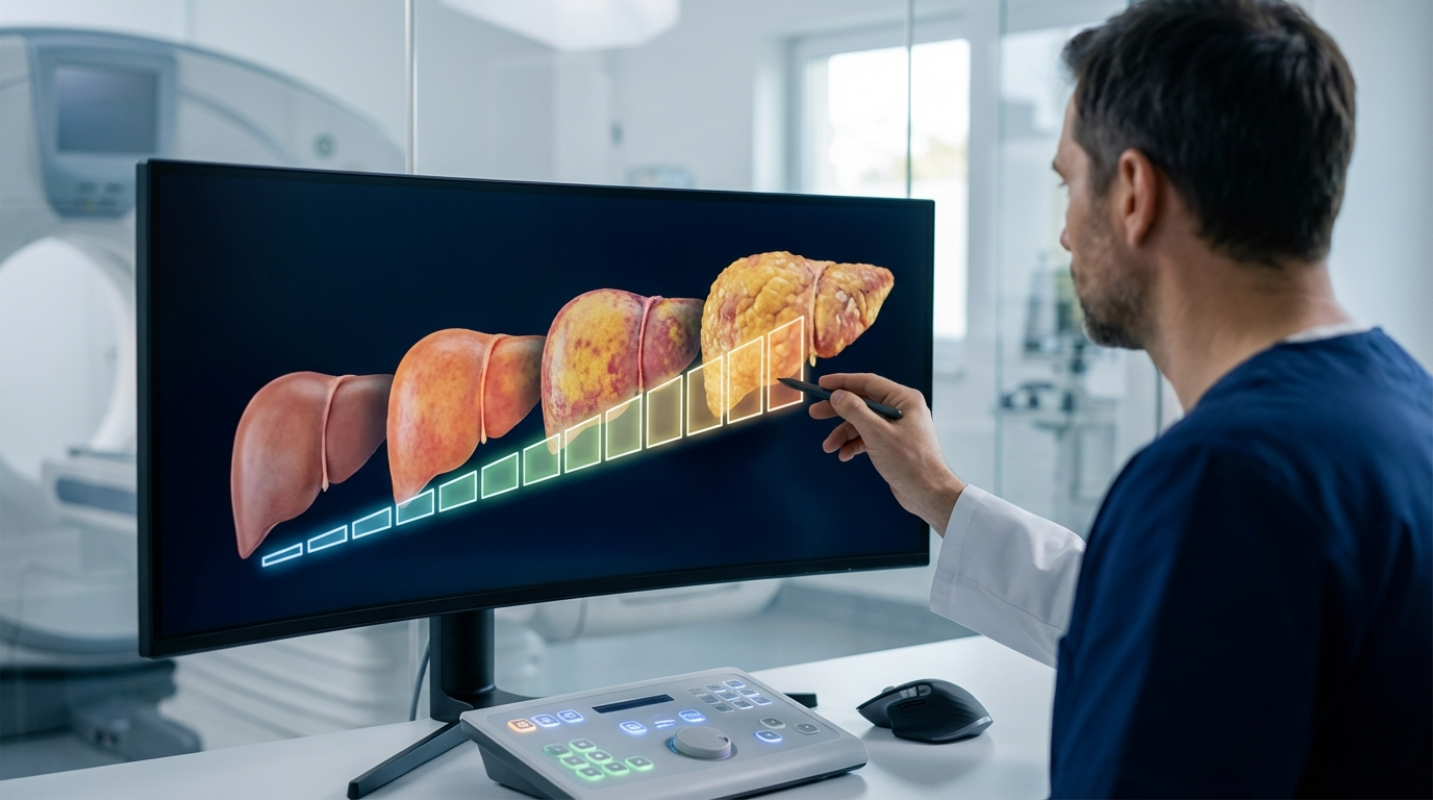
Nothing beats a colonoscopy or sigmoidoscopy for confirming true mucosal healing. This is where your GI uses scoring systems (like the Mayo Endoscopic Score for UC or the SES-CD for CD) to visually confirm that the ulcers are gone and the tissue looks healthy.
This remains the ultimate therapeutic target. But it’s invasive, expensive, and requires preparation. As a result, there’s a massive gap between the recommendation and reality. Despite being the gold standard, only about 25% of IBD experts routinely perform an endoscopy to assess response after starting advanced therapy.³ It’s simply not practical to scope every patient every few months.
Cross-Sectional Imaging
For Crohn’s Disease, especially when it affects the small bowel (where a colonoscopy can’t reach), we rely on advanced imaging like MR Enterography (MRE). MRE is fantastic for detecting deep, transmural inflammation—meaning inflammation that goes through the entire bowel wall, not just the surface. This matters for monitoring fistulas or strictures.
Intestinal Ultrasound (IUS)
This is perhaps the most exciting development in non-invasive monitoring. Intestinal Ultrasound is quickly becoming a important tool. The 2025 ACG guidelines formally endorse IUS as a non-invasive, radiation-free adjunct for monitoring CD activity.²
It works by measuring bowel wall thickness and assessing blood flow. The best part? It can be done in the clinic, requires no prep, and delivers immediate results. IUS allows your GI to measure treatment response early, often before biomarkers or symptoms change. The main hurdle to wider adoption remains training and equipment costs, but expect IUS to become standard practice quickly.
Patient-Reported Outcomes (PROs) and Digital Health Tools
Remember when we said relying only on symptoms was insufficient? That's still true, but symptoms—measured objectively—are needed.
Patient-Reported Outcomes (PROs) are validated questionnaires that standardize how you communicate your symptoms, quality of life, and functional status. Instead of saying, "I feel okay," you fill out a digital form detailing exactly how many bowel movements you had, your pain level, and your energy.
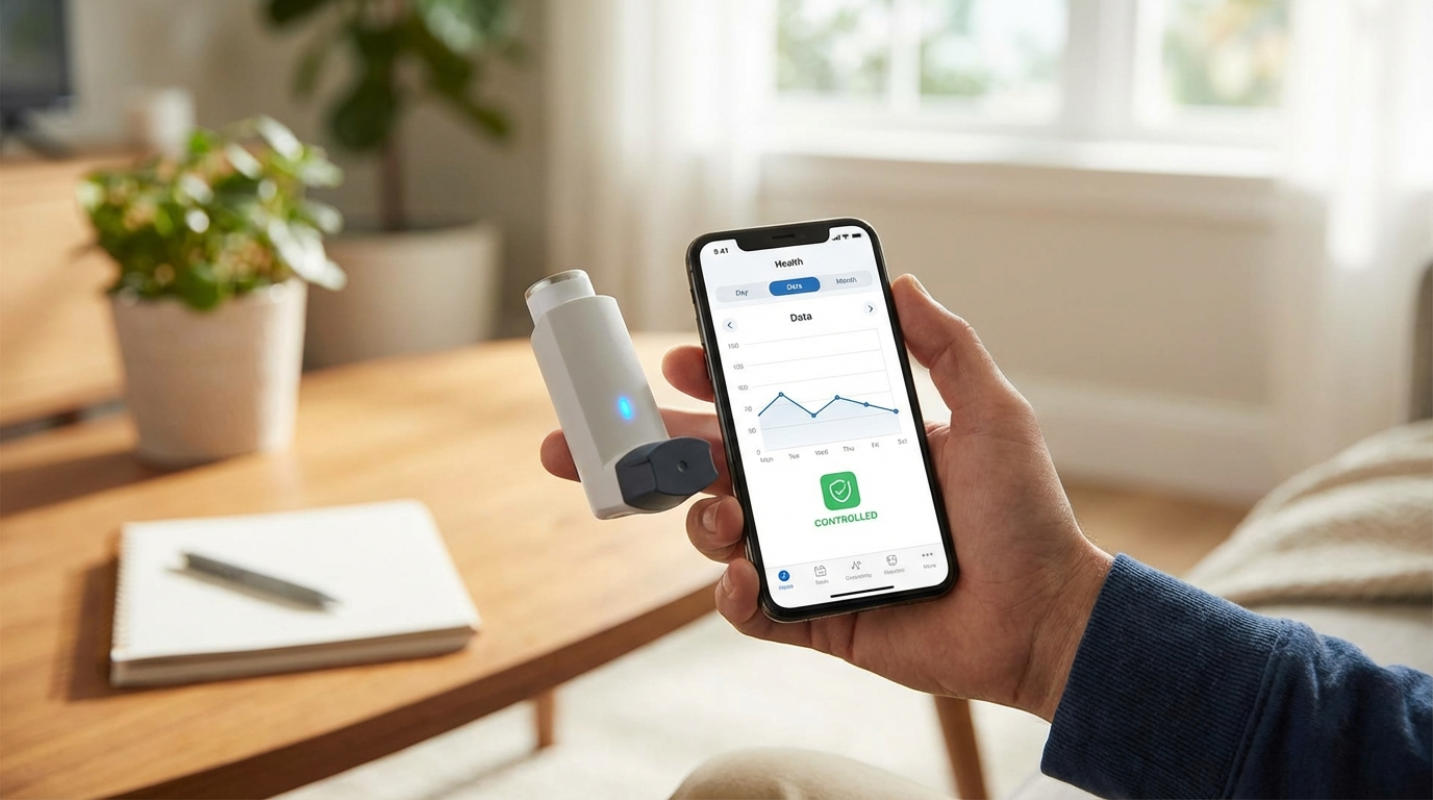
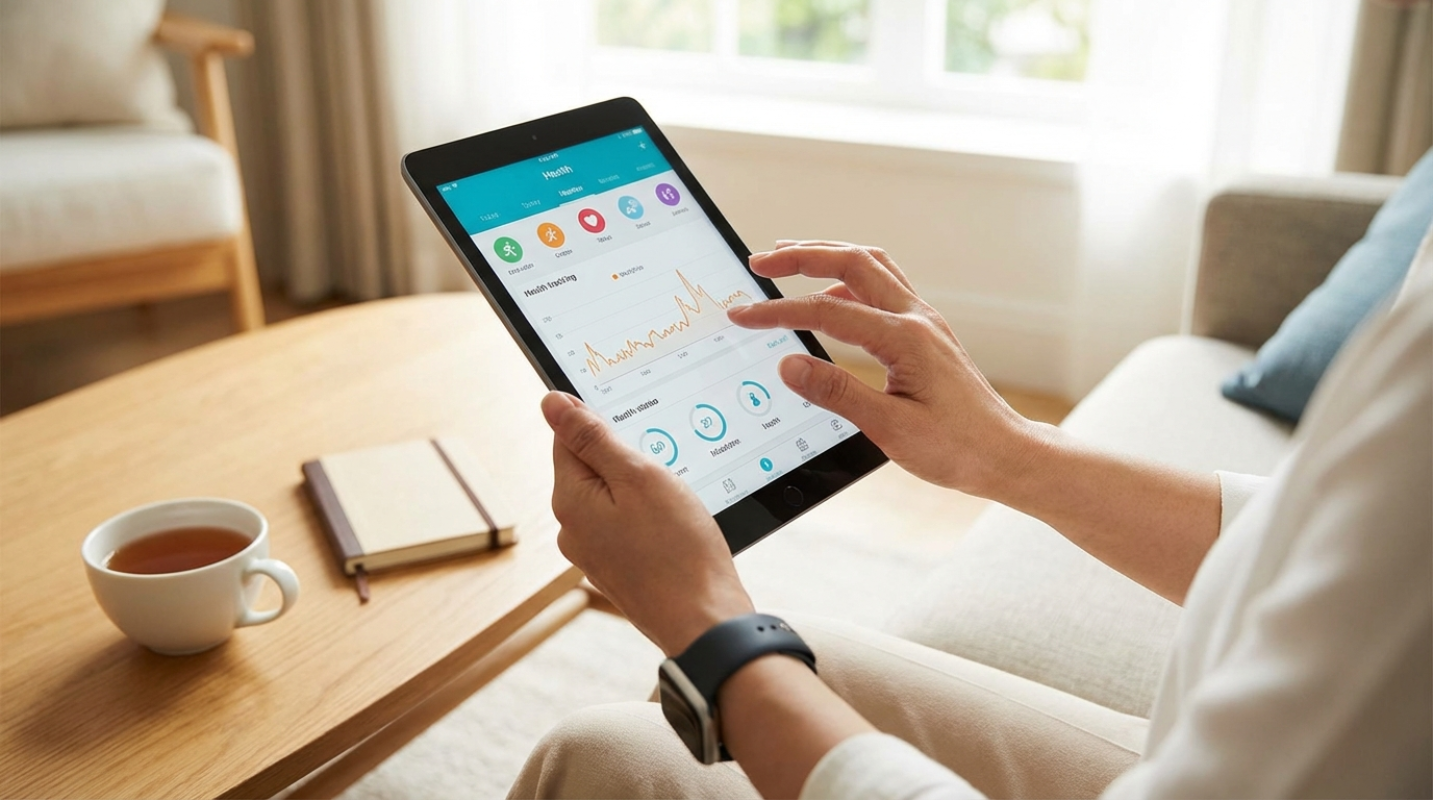
The integration of digital health has supercharged PROs. Mobile apps and remote tracking systems allow you to report data daily or weekly, providing your care team with a continuous, real-time snapshot of your disease trajectory.
And providers are listening. A global survey found that the majority (80%) of IBD providers use PROs in clinical practice, and over half (50.8%) use that data specifically to guide treatment changes.⁴
This frequent, digital monitoring isn't just convenient; it saves money and prevents crises. Like, dedicated digital PRO programs have been shown to drastically reduce GI-related Emergency Department (ED) visits—one US program reported a 64% reduction in ED visits for patients using their platform.⁵
Personalizing the Monitoring Approach: Which Tool When?
The best monitoring approach is the one tailored specifically to you.
If you’re on a biologic or small molecule therapy, your GI will monitor you more frequently than someone stable on maintenance medication. Monitoring is a dynamic conversation between your symptoms, your biomarkers, and your imaging results.
You might start with quarterly FCAL and CRP checks. If those numbers begin to creep up—say, your FCAL moves from 50 to 250 \mug/g—that’s a false remission flag. You might still feel fine, but the objective data is screaming, "Trouble ahead!"
At that point, your GI won't wait for your symptoms to worsen. They'll escalate monitoring, perhaps ordering a stat IUS or MRE to confirm the location and severity of the inflammation, allowing them to adjust your medication dose before a full-blown relapse occurs. This proactive approach defines T2T.
Top Recommendations for Proactive Monitoring
To stay ahead of your IBD, make sure your care team incorporates these three elements
1. Routine Biomarker Checks: Aim for FCAL and CRP testing every 3–6 months, even when you feel well.
2. Digital Symptom Tracking: Use a validated PRO tool (app or web portal) to track symptoms weekly.
3. Periodic Transmural Assessment: Make sure you have regular endoscopic or radiologic confirmation of healing within the recommended intervals (e.g., within three years of achieving clinical remission in CD).
The Future: AI and Proactive Prediction
Looking ahead, the monitoring tools will become even smarter. We’re moving toward integrating artificial intelligence (AI) with multi-omics data (genetics, proteins, metabolites) gathered from your blood and stool. AI won't just tell us if you are inflamed; it will predict your risk of relapse six months out with high accuracy.
The goal isn't just to catch inflammation early; it’s to prevent it entirely. For you, the IBD patient, this means fewer flares, fewer hospitalizations, and more time living life, not managing disease. The tools are ready; the key is using them consistently and aggressively to maintain that precious deep remission.
Sources:
1. Inflammatory Bowel Disease Management: A Global Perspective on Biomarker Use
2. The Role of Intestinal Ultrasound in Crohn’s Disease: 2025 ACG Guideline Summary
3. Global Survey of IBD Experts on Monitoring Practices After Starting Advanced Therapy
4. Patient-Reported Outcomes and Treatment Guidance in IBD Clinical Practice
5. Clinical and Financial Impact of Digital IBD Monitoring Programs (Oshi Program Data)
This article is for informational and educational purposes only. Readers are encouraged to consult qualified professionals and verify details with official sources before making decisions. This content does not constitute professional advice.