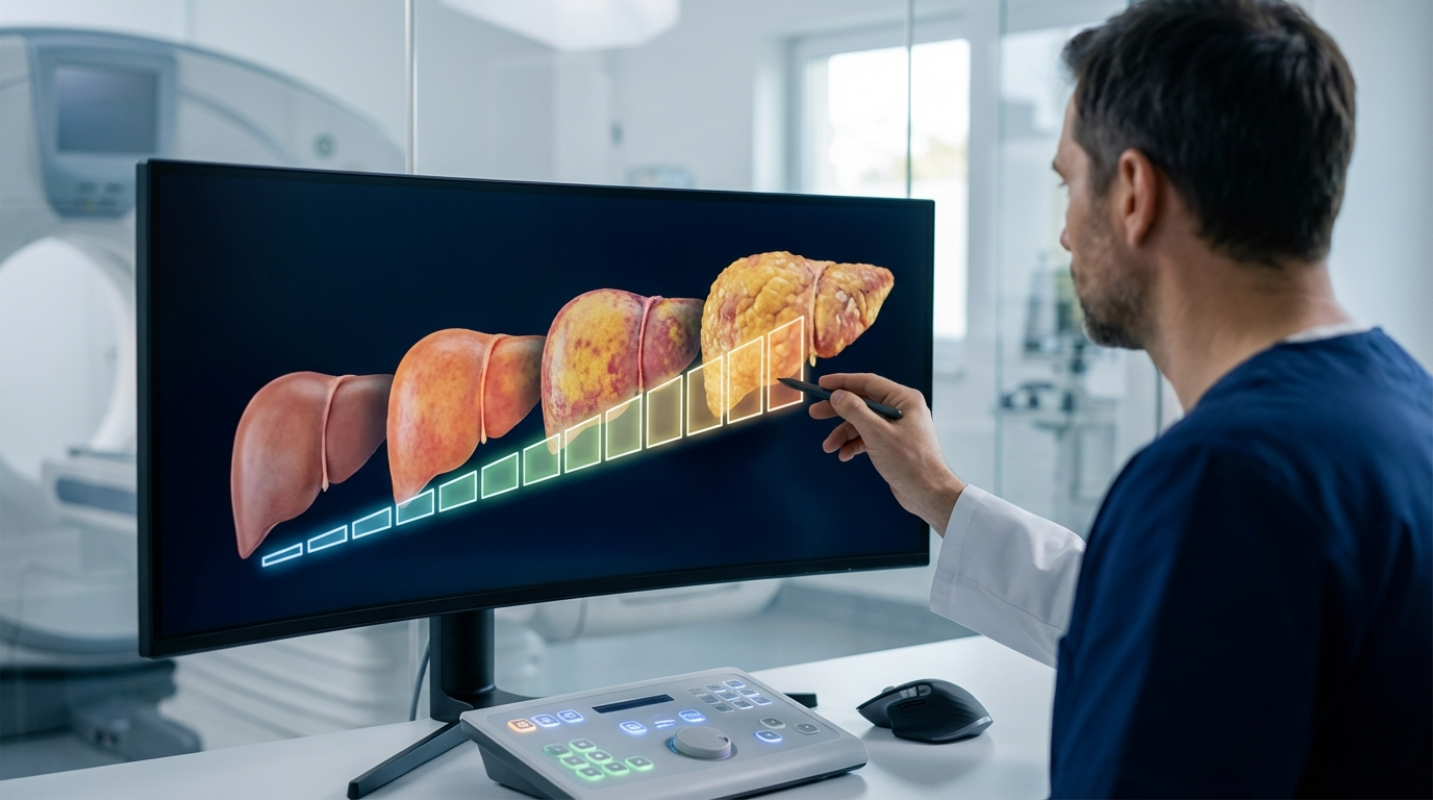
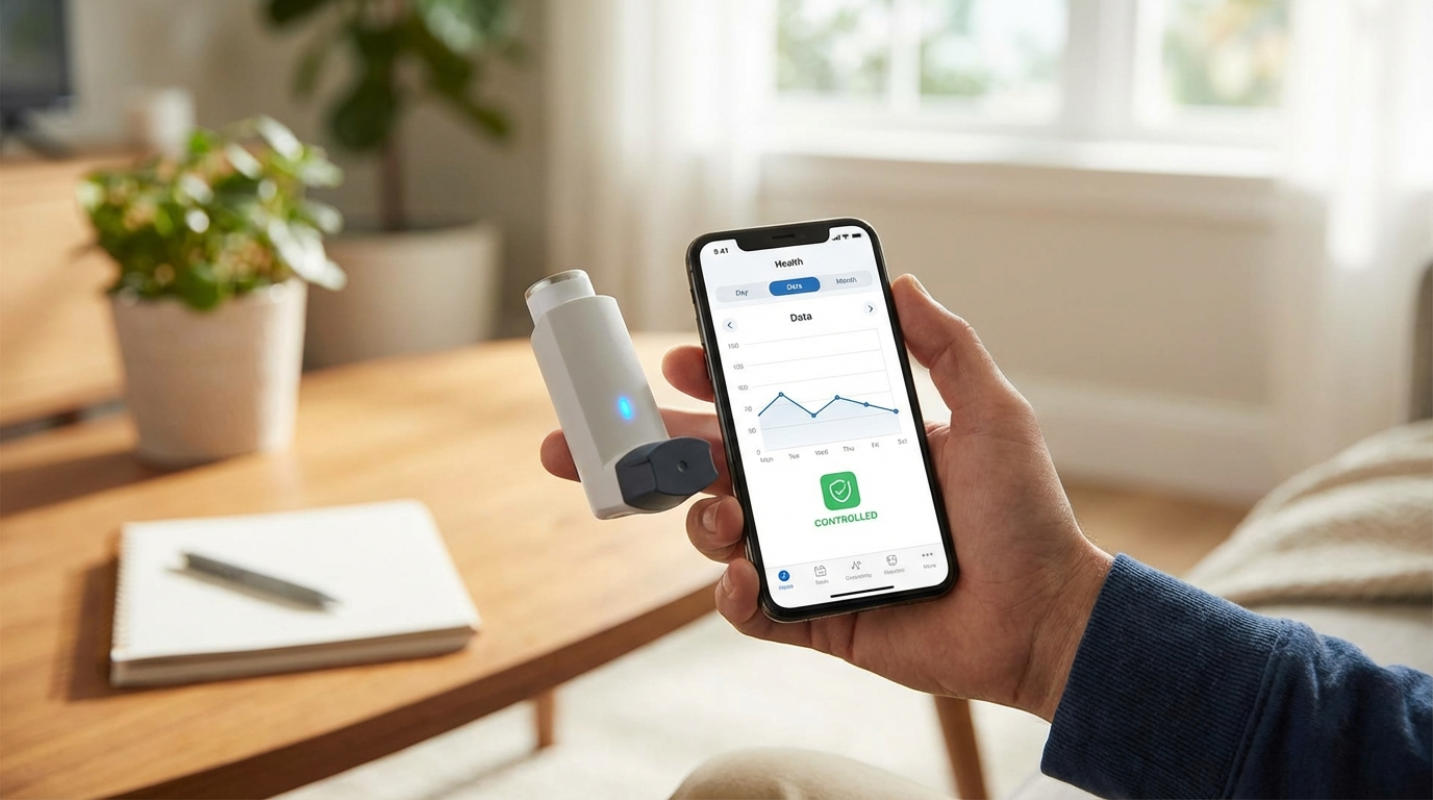
 (Image source: Gemini / Landon Phillips)
 That burning feeling. The one that wakes you up at 3 AM and makes you regret that late-night snack you swore was harmless. Sound familiar? We’re talking about Gastroesophageal Reflux Disease, or GERD. For millions of people, GERD isn't just occasional heartburn; it’s a chronic condition that demands constant vigilance. Managing it is often a confusing game of detective work, trying to correlate symptoms with food, stress, and sleep patterns.
For decades, the standard advice was to keep a paper diary. But let’s be honest: who can accurately recall the severity of their regurgitation on a Tuesday compared to a Thursday? Our memories are subjective, biased, and frankly, terrible at logging the granular data needed for effective medical management.
This is where digital symptom tracking apps step in. They transform the frustrating, subjective experience of living with GERD into objective, structured data. They aren’t just notepads; they’re personalized correlation engines, and in 2026, they’ve become your most important tool in managing reflux.
Understanding GERD and the Need for Rigorous Tracking
GERD occurs when stomach acid frequently flows back up into the esophagus, irritating the lining and causing that classic heartburn sensation. It can also cause chronic cough, hoarseness, and chest pain. If left unchecked, it can lead to serious complications.
Because GERD is so heavily influenced by individual factors—your unique diet, stress levels, and even your sleeping position—a blanket treatment approach rarely works. You need to identify your specific triggers.
Traditional paper logs simply fall short. They rely on memory recall, often logged hours or even days after the event. This introduces massive errors. Did you forget to write down that second cup of coffee? Was the severity level you marked truly a 7, or were you just having a bad day?
Digital tracking eliminates these flaws. It allows for immediate, quantifiable input (like a 1-10 severity scale) the moment the symptom strikes. This move from subjective recall to objective data is important for both accurate diagnosis and confirming whether your current treatment—be it a PPI or a lifestyle change—is actually working.
The Anatomy of a Great GERD Tracking App
If you’re relying on an app to manage a chronic illness, it needs to do more than just record text. A truly effective GERD tracker acts as an integrated health dashboard.
What should you look for?
First, core logging functions must be fast and intuitive. You need to log the frequency and severity of specific GERD symptoms—not just "heartburn," but also regurgitation, chest pain, coughing, and globus sensation (the feeling of a lump in your throat).
Second, the app must integrate potential triggers seamlessly. This means detailed food and drink logging. The best apps go beyond simply listing ingredients; they correlate symptoms with meal timing and portion size. Apps like NoBurn, like, use AI-powered features to scan food and assess its acidity and trigger potential, which is a massive time saver for users.¹
Third, look for lifestyle factor integration. GERD isn’t just about food. Stress and poor sleep are enormous contributors to flare-ups. A quality app lets you track your sleep quality, stress levels (perhaps using a simple mood scale), and even your physical activity.
Finally, medication adherence tracking is mandatory. You need to know if your symptoms improved or worsened after you started taking your prescription or supplement. The app should link the medication dose and time directly to the symptom logs, making correlation immediate and clear.
Data Power: Translating Logs into Actionable Insights
Logging data day in and day out is tedious. So what does this actually mean for your health
The power lies in the translation. Great apps don't just store data; they visualize it. They generate reports, charts, and heatmaps that quickly reveal patterns your doctor would never spot from a verbal description.
Imagine a graph showing a clear spike in nocturnal reflux every time you eat dairy after 6 PM. Or a chart demonstrating that while your heartburn is improving, your chronic cough hasn't changed, suggesting a potential non-acidic reflux issue. Identifying these personal GERD patterns and "trigger foods" becomes simple when the data is structured.
This structured data is also invaluable when communicating with your healthcare provider. Gastroenterologists often express frustration with vague patient reports. When you walk into the office with a CSV export of two months of quantified symptom data and meal times, the conversation shifts instantly.
For clinicians, apps that offer structured data export are far more useful than simple text logs. A systematic assessment of GERD apps found that only a slim 10.9% of applications allowed users to export their data to share with a healthcare provider.¹⁰ That’s a massive barrier to clinical utility. Apps like NoBurn that provide raw, exportable data in formats like CSV are therefore important for speeding up diagnosis and tailoring treatments.⁴ One surgeon noted that data from medical-focused apps like GERDHelp allows him to better identify patients sooner and tailor a specific treatment plan.⁸
Understanding the Market: Top GERD Symptom Trackers
The app market for digestive health is crowded, but a few dedicated GERD trackers stand out in 2026 due to their focus on clinical utility and user experience.
Beyond the Features: Medical Integrity and Privacy
When choosing a tracker, you must look beyond the flashy interface. We’re dealing with health data, which means privacy and data security are paramount. Make sure the developer is transparent about how your data is stored and used.
Plus, consider the source. A 2021 review highlighted a "great deficiency" in medical professional involvement in these tools, finding that only 2.73% of reviewed GERD apps stated their content was contributed by medical professionals.¹⁰ This raises questions about the clinical accuracy of the advice or analysis provided by many free tools.
This is why specialized apps, which may come with a subscription cost, often provide better security and more reliable insights than general food diaries.
Remember, an app is a helpful tool, but it is not a substitute for professional medical advice. Use the app to gather data, but let your gastroenterologist interpret it and guide your treatment plan.
Beyond Tracking: Integrating Apps and Future Tech
The future of GERD management is moving past simple logging and toward predictive health.
We’re starting to see better integration with existing health technology. Imagine your GERD app pulling data directly from your wearable sleep tracker, noting that poor REM sleep correlates highly with next-day reflux, without you having to manually input the sleep score. Although continuous glucose monitors (CGMs) aren't primarily for GERD, the ability to track how specific foods affect your body’s metabolic response adds another layer of data that could influence treatment.
The biggest leap, but is in AI and Machine Learning. Apps like NoBurn are already using AI to help identify potential triggers.² The next step? Predictive modeling. If the app knows you had high stress, poor sleep, and ate a high-fat dinner, it could theoretically predict a flare-up 12 hours in advance, prompting you to take preventative medication or adjust your evening routine.
This isn't sci-fi; it’s the immediate future of digital therapeutics for chronic conditions.
Ultimately, these apps give you something incredibly valuable: data ownership. They help you to move from passively receiving treatment to actively participating in your own care. By tracking, visualizing, and sharing your experience, you transform from a patient reporting vague symptoms into a knowledgeable partner in managing your GERD.
Sources:
1. NoBurn Reflux & GERD Tracker on Apple App Store
2. NoBurn Reflux & GERD Tracker on Google Play
3. NoBurn Reflux & GERD Tracker on Apple App Store (Specific features)
4. NoBurn Reflux & GERD Tracker Export Features
5. Efficacy of Smartphone Applications for Gastroesophageal Reflux Disease: A Systematic Assessment
This article is for informational and educational purposes only. Readers are encouraged to consult qualified professionals and verify details with official sources before making decisions. This content does not constitute professional advice.