 (Image source: Gemini / Landon Phillips)
 If you live with Rheumatoid Arthritis (RA), you know the disease doesn't clock out just because your appointment is over. RA is a continuous, fluctuating condition, yet for decades, management has relied on episodic snapshots—a hurried physical exam, a blood test, and a quick questionnaire every three to six months.
That’s simply not enough to capture the real story of your disease activity.
Enter Patient-Reported Outcomes (PROs). These are standardized tools, often questionnaires, that capture the patient’s perspective on their health status, focusing on pain, function, and fatigue. The modern evolution of this concept is Digital PROs (dPROs), which move these important measures off paper and into the cloud, usually via smartphone apps or web portals.
Digital PROs are revolutionizing how RA disease activity is tracked, leading to more personalized, proactive, and ultimately, more effective care. They put your voice, your experience, into the data stream, transforming treatment from reactive to predictive.
The Limitations of Traditional RA Monitoring and the Digital Leap
Think back to your last rheumatology appointment. Your doctor asked how you’ve been since the last visit. You likely spent a few minutes trying to recall whether the fatigue you felt three weeks ago was worse or better than the pain flare you had last Tuesday. Sound familiar?
Traditional monitoring relies heavily on retrospective recall. This introduces significant bias, often leading to an underestimation or overestimation of disease activity, which then influences important clinical scores like the DAS28.
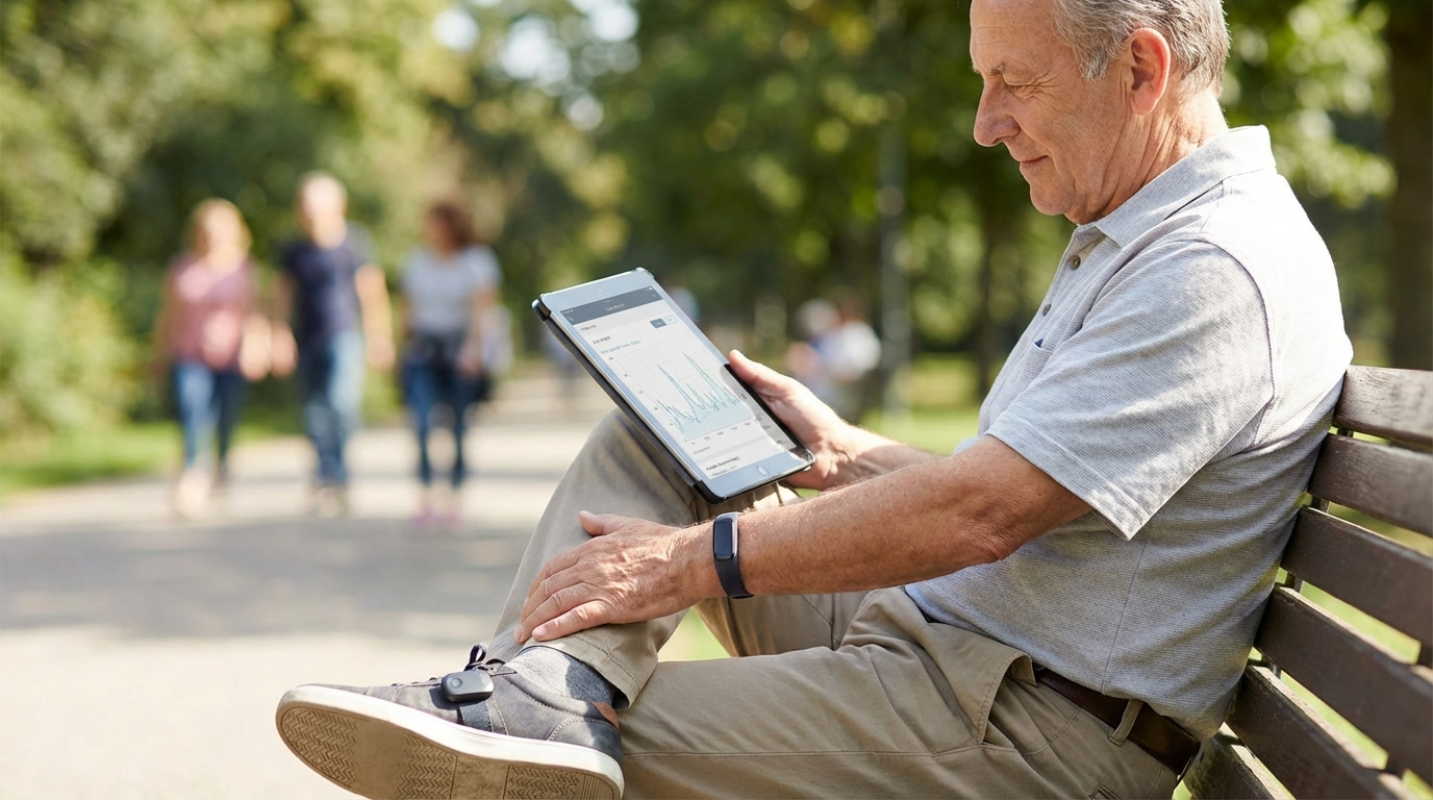
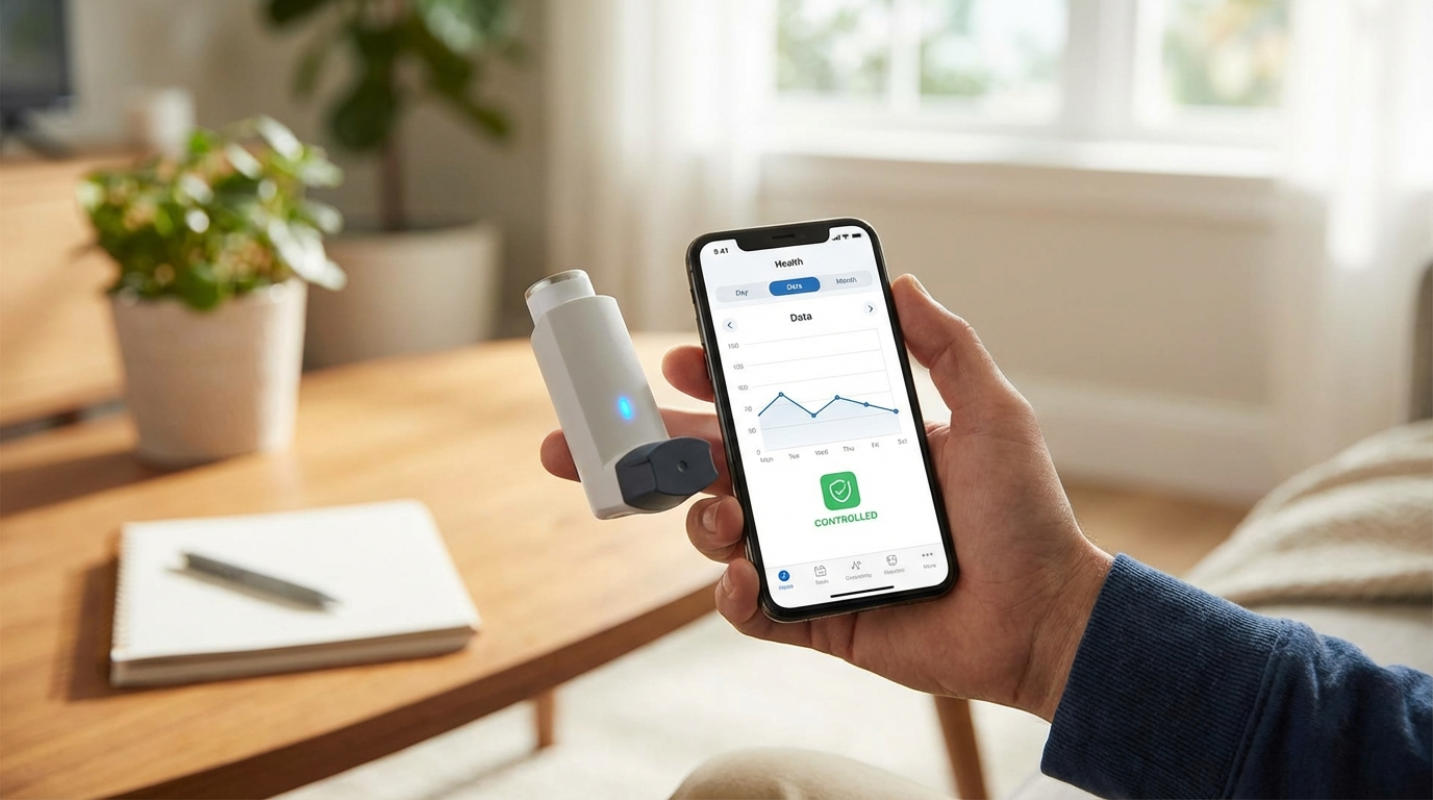
Digital PROs solve this by capturing real-world data (RWD) in real-time. Instead of relying on memory, dPROs prompt you to input data regularly—daily or weekly. This steady stream of data captures the nuanced peaks and troughs of pain, fatigue, and functional limitations that would otherwise be missed.
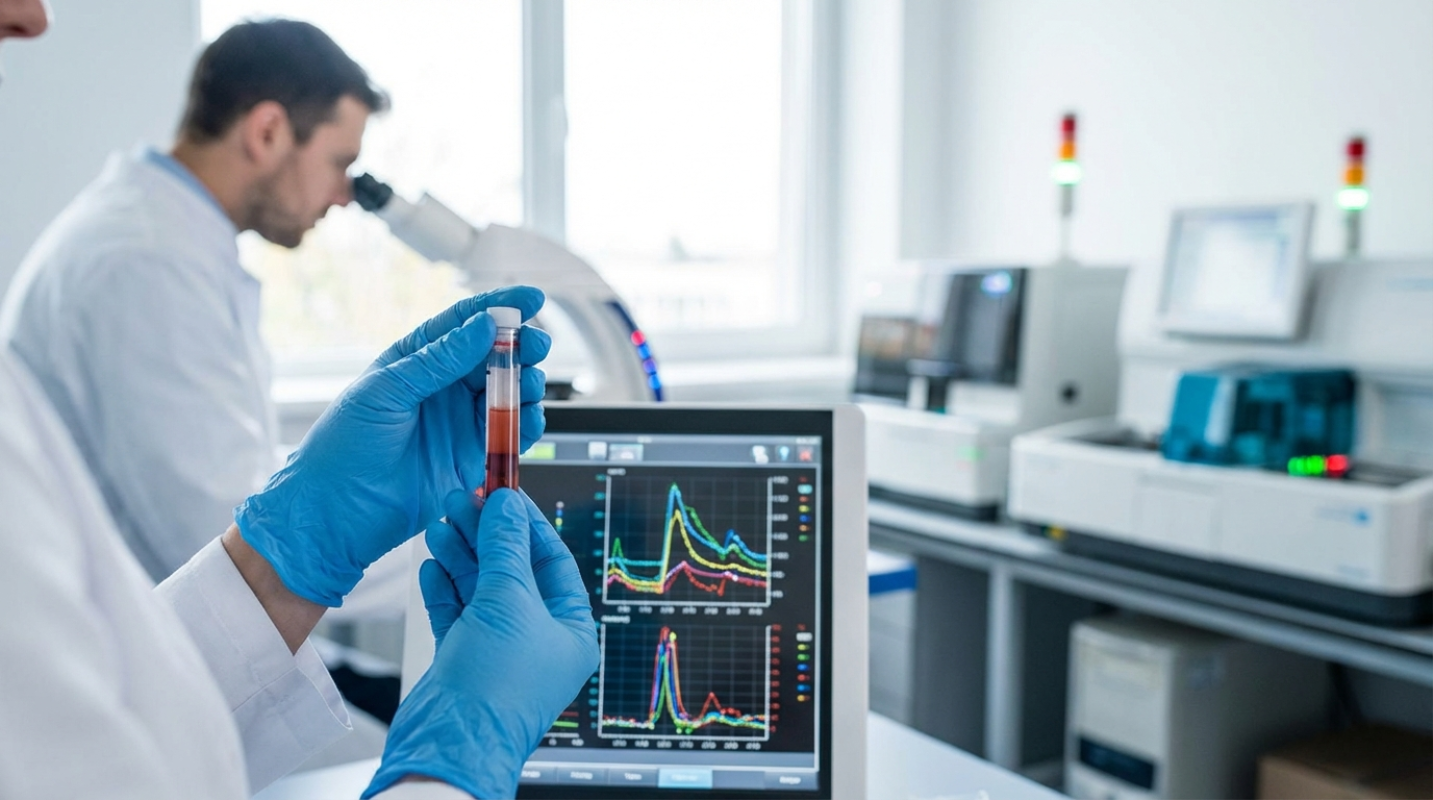
Although objective clinical measures, like inflammatory markers (ESR, CRP) or imaging, provide important biological insight, they tell only half the story. The patient’s subjective experience is paramount in RA. Digital PROs bridge this gap, connecting the lab results with the lived reality of the disease.
What Data Are We Capturing? Key Metrics in Digital RA Tracking
So what exactly are these digital tools asking you to track?
The data collected falls into needed, validated domains that determine your overall disease burden
- Pain Intensity: Measured using visual analog scales (VAS) or numerical rating scales (NRS).
- Functional Status: Often tracked via tools like the Health Assessment Questionnaire (HAQ) or modified HAQ (mHAQ), which assess your ability to perform daily tasks.
- Global Health Assessment (PGA): Your own rating of how active your arthritis has been over a given period.
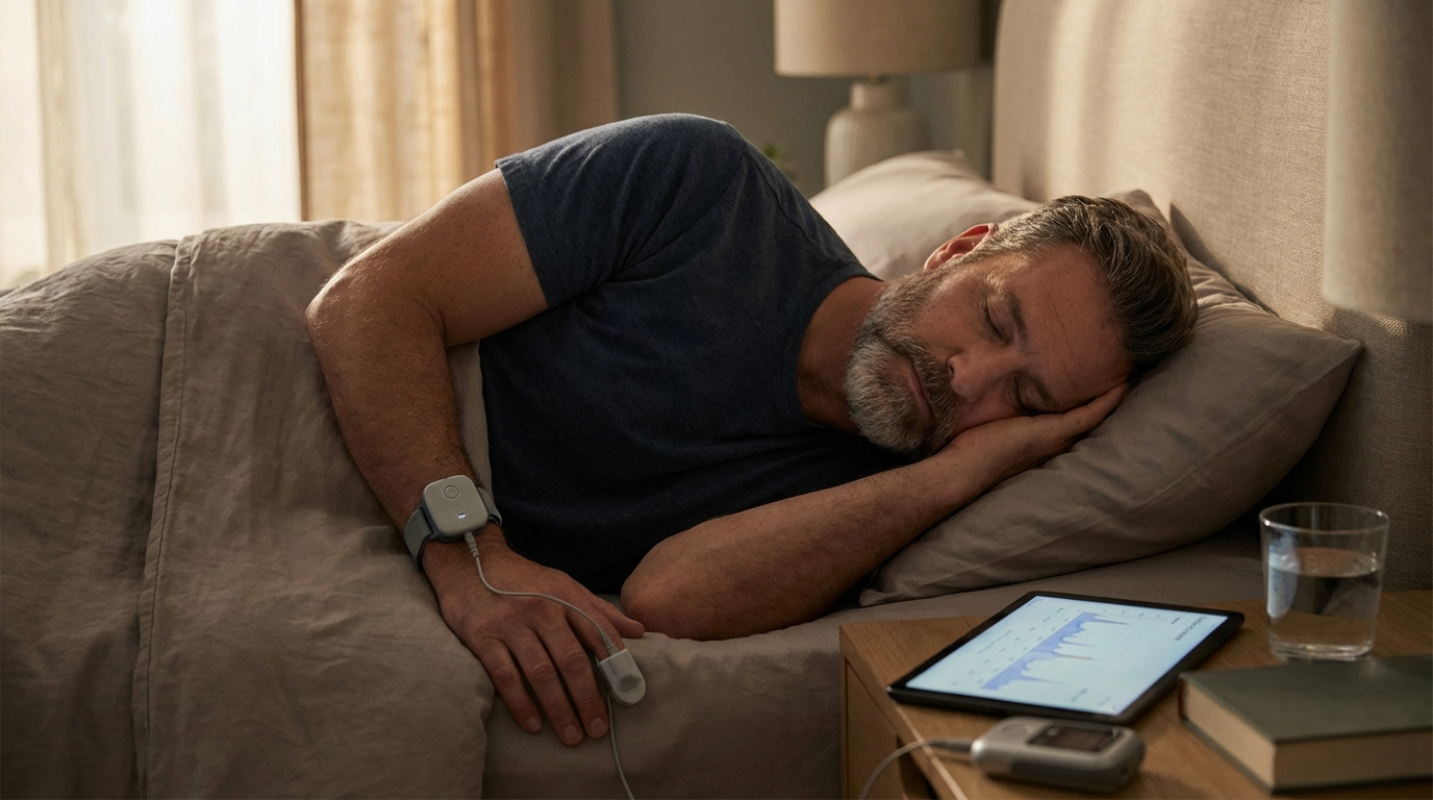
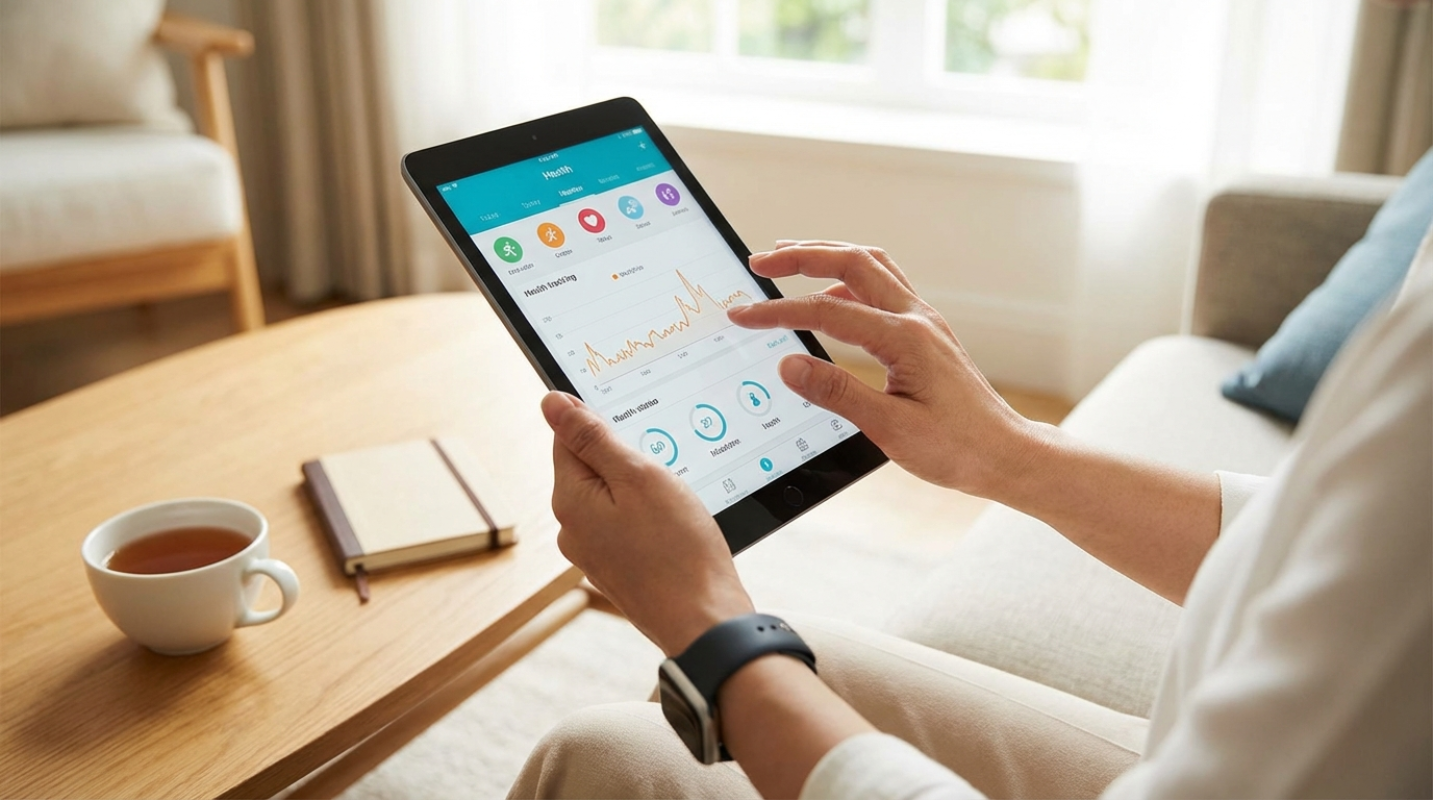
But the tracking doesn’t stop there. In 2026, many dPRO systems integrate with objective digital biomarkers. Combining PROs with data from wearable devices—like sleep quality, step count, or heart rate variability—improves the accuracy of RA severity estimation. In fact, studies published in 2024 showed that integrating objective sensor data improved RA severity estimation by 10% compared to using PROs alone.¹
Further advancements, showd at recent medical conferences, involve using Artificial Intelligence (AI) to analyze smartphone photos of your hands to calculate objective measures like the Finger Fold Index (FFI), providing quantitative data alongside your subjective pain scores.³
The key to unlocking the power of this data, but is consistency. A steady flow of input, even if it's just weekly check-ins, matters for meaningful trend analysis.
Actionable Insights: How Clinicians Use dPRO Data to Tweak Treatment
The goal of modern RA management is Treat-to-Target (T2T)—aggressively adjusting therapy until remission or low disease activity is achieved. Digital PROs supercharge this approach.
Instead of waiting three months to realize a medication isn't working, your rheumatologist can review your digital dashboard and see a clear, longitudinal visualization of your pain scores trending upward over the last four weeks. This deviation prompts a timely intervention, such as a dose adjustment or a change in therapy, before a major, debilitating flare erupts.
This continuous feedback loop turns the clinical encounter into a true partnership. When you sit down with your doctor, they don’t just ask, "How have you been?" They can pull up a visual graph showing your weekly PRO average, allowing you to discuss specific weeks where fatigue spiked or function dropped. This shared understanding improves shared decision-making and increases your self-efficacy in managing your condition.⁹
Top Recommendations for Digital RA Tracking
For patients and providers looking to get the most from the benefit of dPROs, experts recommend shifting away from burdensome daily tracking and focusing on sustainable engagement approaches.
- Prioritize Weekly Tracking: Although daily data collection offers rich detail, it often leads to burnout. Studies show that while weekly PRO data is provided 92% of the time, daily data collection drops significantly (around 59% adherence). Focus on less frequent, high-quality input.²
- Embrace the Hybrid Model: A blend of digital monitoring and traditional in-person care is necessary to accommodate varying levels of digital literacy and make sure no patient is left behind.⁴
- Demand Integrated Dashboards: Encourage your provider to use systems that summarize and visualize your PRO data directly. This prevents data overload and makes the information actionable during a 15-minute appointment.
The Future Is Continuous
Despite the clear utility, widespread adoption faces hurdles. We must address the digital divide, making sure that older patients or those with low digital literacy aren't excluded. Systemic barriers remain, particularly the difficulty of integrating real-time PRO data seamlessly into existing Electronic Health Record (EHR) systems.
We also have to fight patient burnout. High drop-out rates—with one recent telemonitoring study citing a 64% drop-out rate within 17 weeks—show the necessity of better engagement approaches, perhaps incorporating gamification or more personalized feedback loops.²
Looking ahead, the convergence of dPROs and AI is incredibly exciting. AI and Machine Learning will soon interpret complex datasets, identifying subtle patterns in your reported symptoms and wearable data to predict flares days or even weeks in advance.
Digital PROs are not replacing the rheumatologist. Instead, they are becoming an indispensable tool, transforming the clinic visit from a retrospective review into a forward-looking, precision partnership. They make sure that your voice—the most important data point of all—is heard, consistently and clearly.
Sources:
1. Clinical Utility of Integrating Digital PROs and Sensor Data in RA
2. Patient Adherence and Drop-out Rates in Telemonitoring RA Studies
3. Top Research in Rheumatoid Arthritis Presented at ACR Convergence 2024
4. Expert Recommendations for Digital Health in Rheumatology
5. Incorporating PRO Data in RA Clinical Encounters
This article is for informational and educational purposes only. Readers are encouraged to consult qualified professionals and verify details with official sources before making decisions. This content does not constitute professional advice.