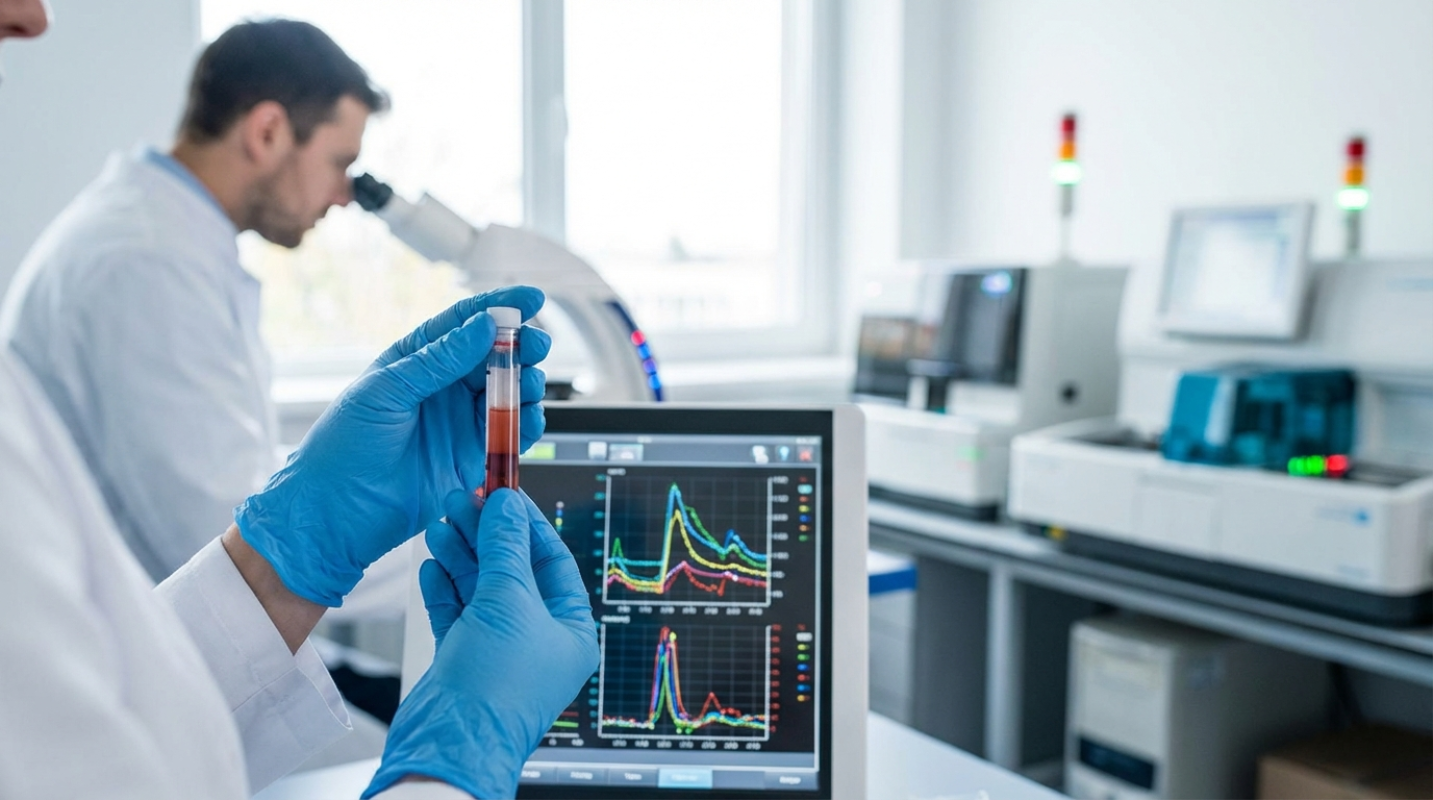
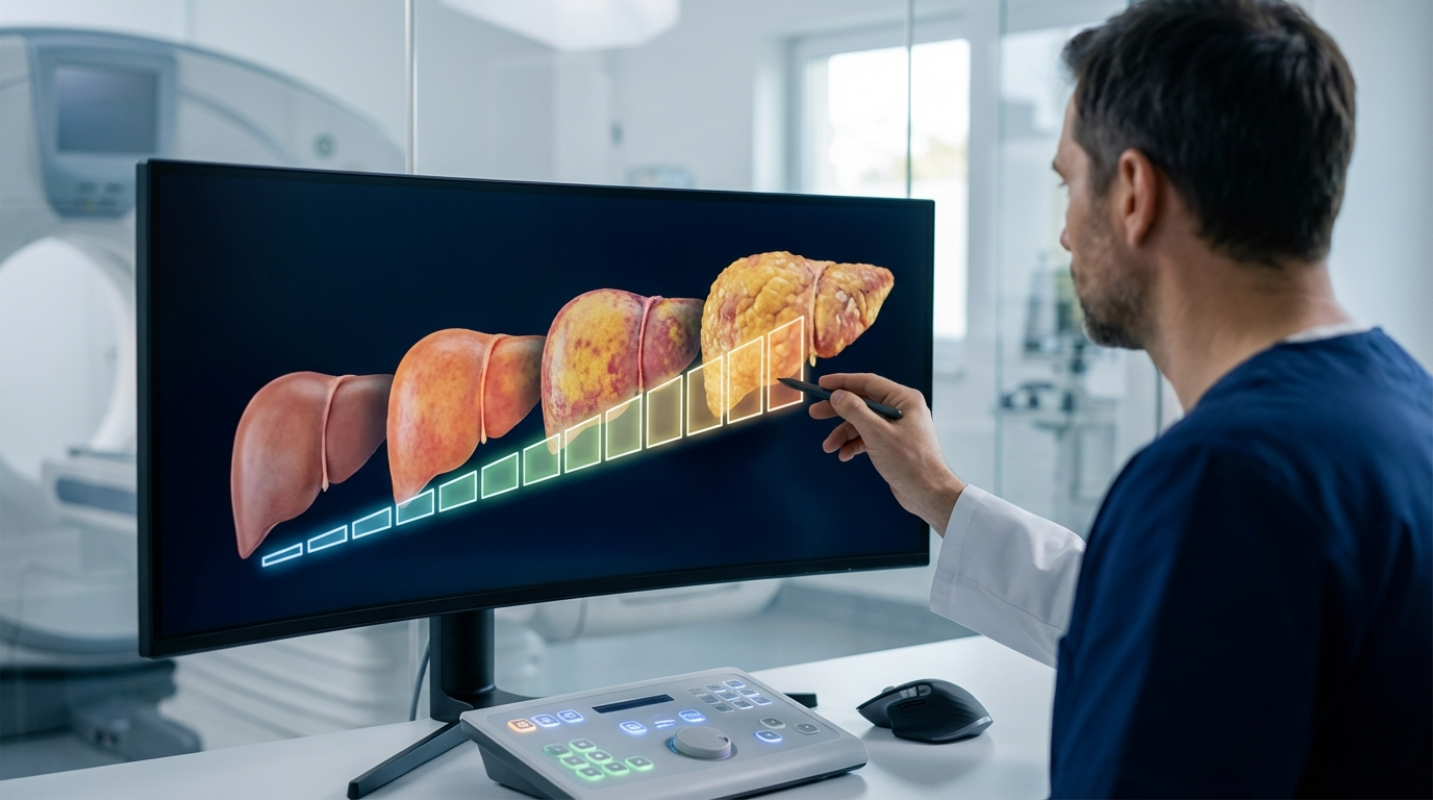
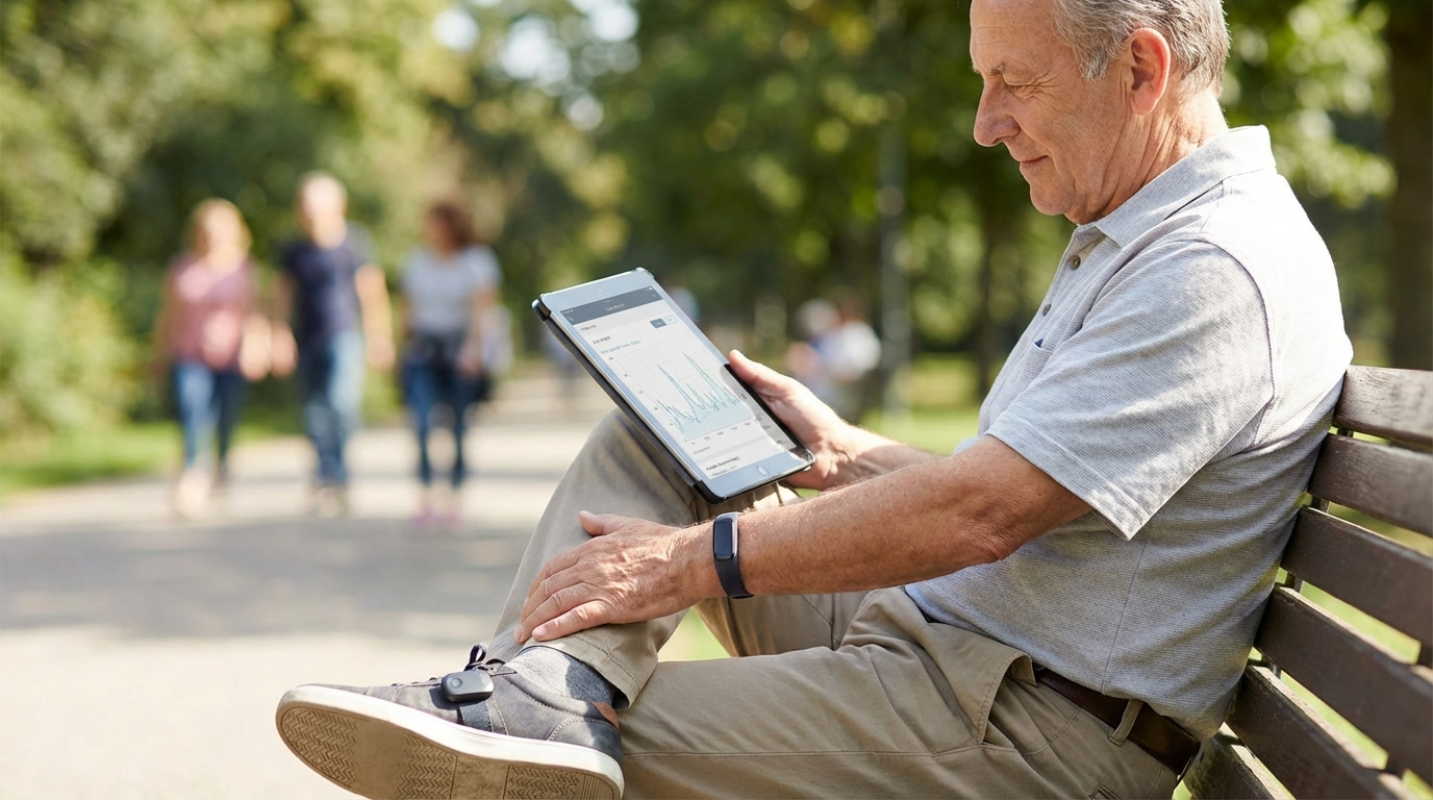
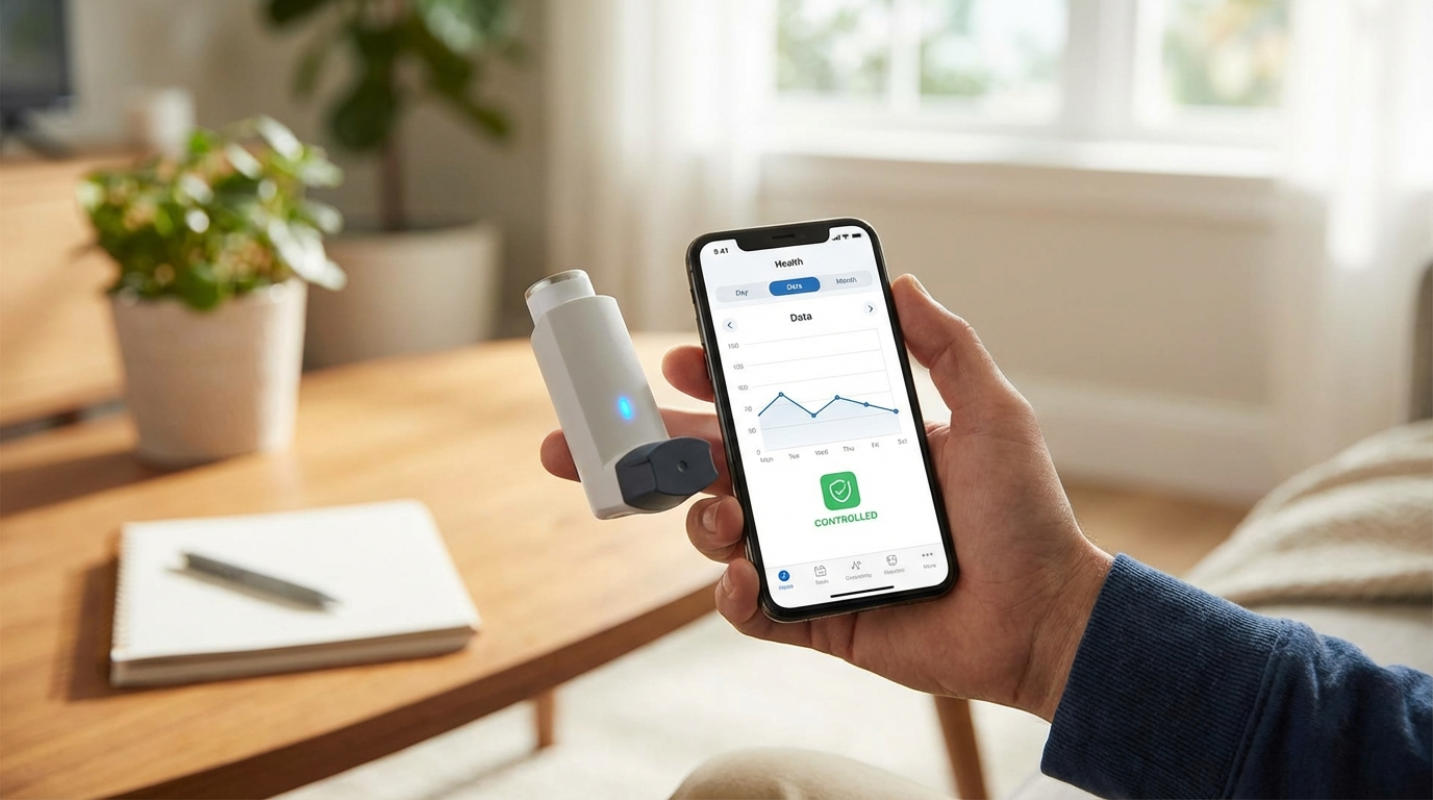
 (Image source: Gemini / Landon Phillips)
 If you’ve ever woken up gasping for air, or if your partner constantly complains about your earth-shattering snoring, you might be dealing with Obstructive Sleep Apnea (OSA). This isn't just an annoyance; it’s a serious condition where your breathing repeatedly stops and starts during the night, leading to fragmented sleep and, importantly, dangerous drops in blood oxygen. Untreated, OSA significantly increases your risk for hypertension, stroke, and heart failure.
For years, the only way to get a definitive diagnosis was to spend a night hooked up to wires in a sleep lab, a process called Polysomnography (PSG). It’s the gold standard, sure, but it's expensive, often intrusive, and requires a long wait.
Today, thankfully, Home Sleep Testing (HST) has revolutionized the process. HST allows physicians to accurately assess the severity of your sleep apnea from the comfort of your own bed. For the vast majority of uncomplicated adult patients suspected of having moderate to severe OSA, HST is now the standard initial diagnostic tool, making the process faster and far less intimidating.
Understanding the Technology: What HST Devices Measure
So, what exactly happens when you take that small box home? Unlike in-lab PSG, which measures brain waves (EEG), muscle activity, and eye movements to determine your actual sleep time, HST devices focus primarily on measuring respiratory events and oxygen levels.
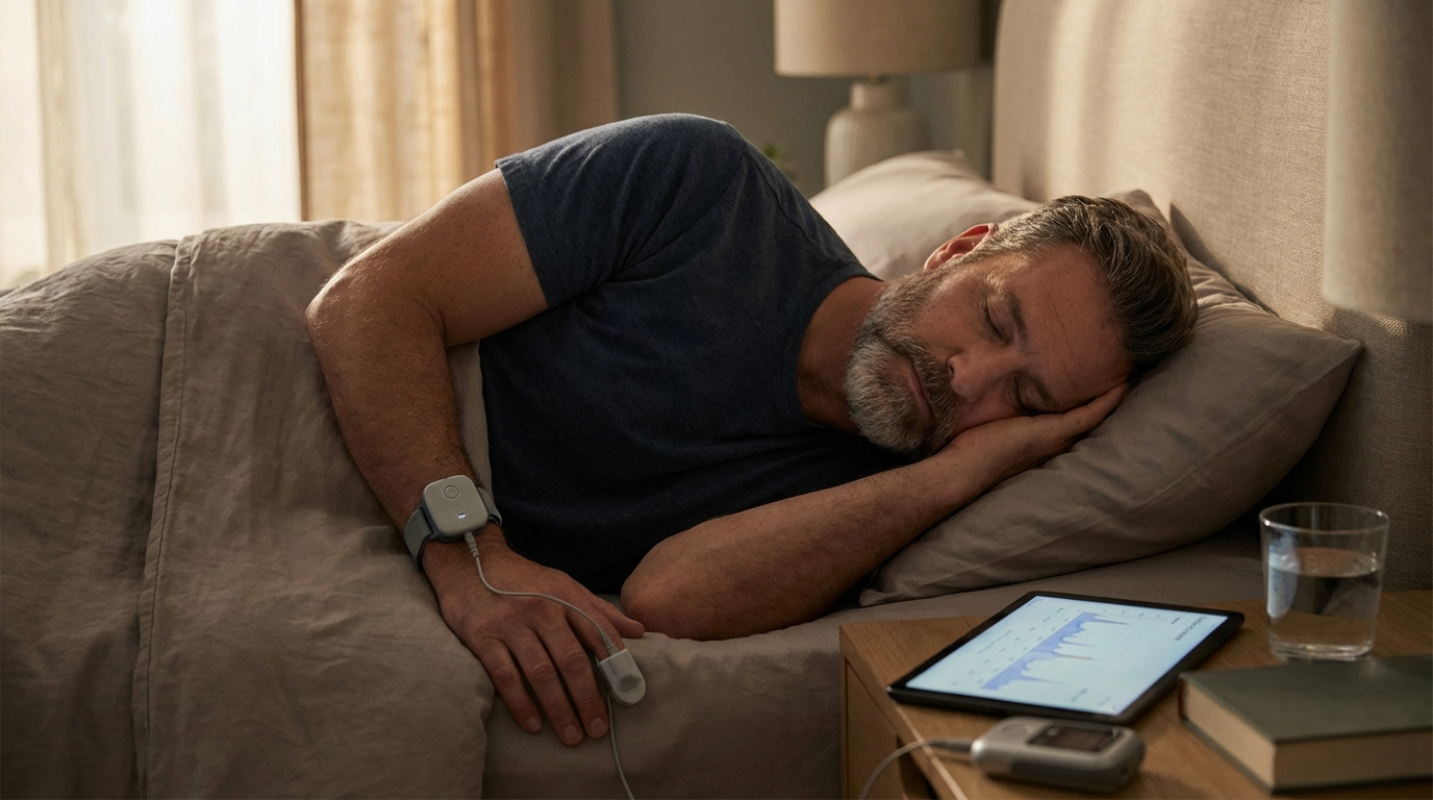
Modern HST devices are designed to be simple and effective. You’ll typically wear a nasal cannula (a small tube near your nose and mouth) to measure airflow, a pulse oximeter on your finger to track oxygen saturation, and sometimes effort belts around your chest and abdomen to monitor breathing effort. These components work together to track the key metrics needed for severity staging.
The most important measurement is the Apnea-Hypopnea Index (AHI). AHI is defined as the number of apneas (complete blockage of airflow) and hypopneas (partial reduction in airflow) that occur per hour of Total Sleep Time (TST).
Here’s the catch with home testing: HST devices lack the sensors to accurately measure TST. Therefore, the result you get is often called the Respiratory Event Index (REI), which calculates events per hour of recording time (the time the device was turned on). This distinction matters deeply. Because the REI uses total recording time—which often includes time spent lying awake—it can consistently underestimate the true AHI by approximately 10% to 26% compared to a full PSG.⁵
The second, equally important metric is the Oxygen Desaturation Index (ODI). This measures the number of times per hour your blood oxygen level drops by a specific percentage (usually 3% or 4%) from its baseline. ODI is neededly a direct measure of your hypoxic burden, indicating how frequently your body is stressed by low oxygen.
Interpreting the Results: Classifying Severity (Mild, Moderate, Severe)
Once the raw data is collected, a board-certified sleep physician manually reviews and interprets the study, making sure the diagnosis isn't based solely on automated scoring.⁸ The interpretation hinges on the AHI or REI score, which determines where you fall on the clinical spectrum
- Normal/Minimal: REI/AHI below 5 events per hour.
- Mild OSA: 5.0 to 14.9 events per hour.
- Moderate OSA: 15.0 to 29.9 events per hour.
- Severe OSA: 30.0 or more events per hour.⁴
If your score lands you at 15 events per hour or higher, you are generally considered to have moderate to severe OSA and are usually recommended for positive airway pressure (PAP) therapy.
But what if your AHI/REI is "mild," yet you feel absolutely exhausted? This is where the Oxygen Desaturation Index (ODI) becomes important. Although AHI is the official staging metric, the ODI is increasingly recognized as a superior indicator of long-term health risks. Why? Because the severity of oxygen deprivation is what drives cardiovascular damage.
Recent research suggests that the Hypoxic Burden—the cumulative stress of low oxygen—may be a better predictor of cardiovascular risk, including hypertension and incident heart failure, than AHI alone.² Like, a patient might have a mild REI of 10 events per hour, but if their ODI is 25, indicating frequent, deep drops in oxygen, a clinician might treat that patient more aggressively. In fact, an ODI greater than 20 has been shown to have a high sensitivity (96.6%) for diagnosing severe OSA, making it a powerful screening tool.⁷
If your HST results are inconclusive, or if the physician suspects complex issues like Central Sleep Apnea (CSA) or significant underlying cardiopulmonary disease, they will likely recommend a follow-up, in-lab PSG. The HST provides a fantastic snapshot, but it’s not always the complete picture.
The Patient Experience: Setting Up and Making sure Data Quality
The beauty of HST is its convenience, but that convenience relies entirely on you. You need to make sure the device captures usable data. Think of it as a one-night mission: you have one chance to record your worst night’s sleep.
Before starting, make sure you understand the setup. Don’t wait until 11 PM when you’re tired and frustrated. Practice connecting the sensors earlier in the day.
Here are a few practical tips to make sure a high-quality test
- Secure the Oximeter: The finger probe must be snug and stay on all night. If it falls off or is loose, the important oxygen saturation data will be lost, rendering the ODI unusable.
- Check the Cannula: Make sure the nasal prongs are correctly seated and the tubing isn’t kinked or pulled tight when you roll over. Airflow measurement is the backbone of the REI score.
- Sleep Position: Try to sleep in the position you normally adopt. If you are a back sleeper, don’t force yourself onto your side just for the test. You want an authentic representation of your typical breathing patterns.
One of the most common pitfalls leading to an inconclusive test is simply forgetting to turn the device on or movement artifact blurring the readings. Fortunately, many sleep clinics now use telehealth support, offering video instructions or even live virtual check-ins to help you set up the device correctly, boosting compliance and data integrity.
Treatment Pathways After Assessment
The introduction of accessible HST has meant that the path from suspicion to treatment is dramatically shortened. Once your severity is accurately staged—thanks to the AHI/REI and contextualized by the important ODI score—your treatment pathway becomes clear.
If your results confirm mild OSA, your physician may start with behavioral changes, such as weight loss, positional therapy (avoiding sleeping on your back), or oral appliance therapy.
But if the HST reveals moderate or severe OSA (an AHI/REI of 15 or higher), you’ll likely move toward positive airway pressure (PAP) therapy, most commonly CPAP (Continuous Positive Airway Pressure). This is the immediate, non-negotiable step to reduce that dangerous hypoxic burden.
For patients with moderate to severe OSA linked to obesity, newer therapeutic options are emerging. Like, the FDA recently approved specific medications in late 2024 for treating OSA in people with obesity, showing the clinical importance of that AHI \ge 15 threshold for treatment initiation.
HST provides the necessary, accessible data to make these life-altering decisions quickly. It’s the needed gatekeeper, making sure that you don't just know if you have sleep apnea, but exactly how bad it is, allowing you to start down the road to restful, healthy sleep immediately.
Sources:
1. Interpreting Home Sleep Test Results
2. Oxygen Desaturation Index Superior to AHI for Cardiovascular Risk
3. Difference between Apnea-Hypopnea Index (AHI) and Oxygen Desaturation Index (ODI)
4. Sleep Disorder Management Clinical Quality Measures
5. Do Home Sleep Studies Underestimate the Degree of Apnea?
This article is for informational and educational purposes only. Readers are encouraged to consult qualified professionals and verify details with official sources before making decisions. This content does not constitute professional advice.