 (Image source: Gemini / Landon Phillips)
 For decades, getting a diagnosis of Type 2 Diabetes (T2D) felt like receiving a life sentence. It was described as a progressive, irreversible condition—something you could manage with medication, but never truly escape. That narrative, thankfully, is obsolete. Today, we know better. The most deep shift in diabetes management in the last generation is the recognition that T2D is often reversible, primarily by tackling its root cause: excess weight.
We’re not talking about a “cure,” which implies the disease can never return. We’re talking about remission. Remission means achieving and maintaining normal blood glucose levels without the need for glucose-lowering medication. According to the consensus definition, that means your HbA1c—a measure of average blood sugar—must be below 6.5% for at least three months. That’s a game-changer.¹
The science is crystal clear: weight loss, achieved through structured programs, isn’t just a treatment adjunct; it’s the most effective pathway to achieving T2D remission.
The Science Behind Weight Loss and Glucose Control
To understand how weight loss works, you have to understand where T2D comes from. It isn't just about eating too much sugar. It’s fundamentally about insulin resistance caused by accumulated fat, particularly visceral fat, which wraps around your internal organs.
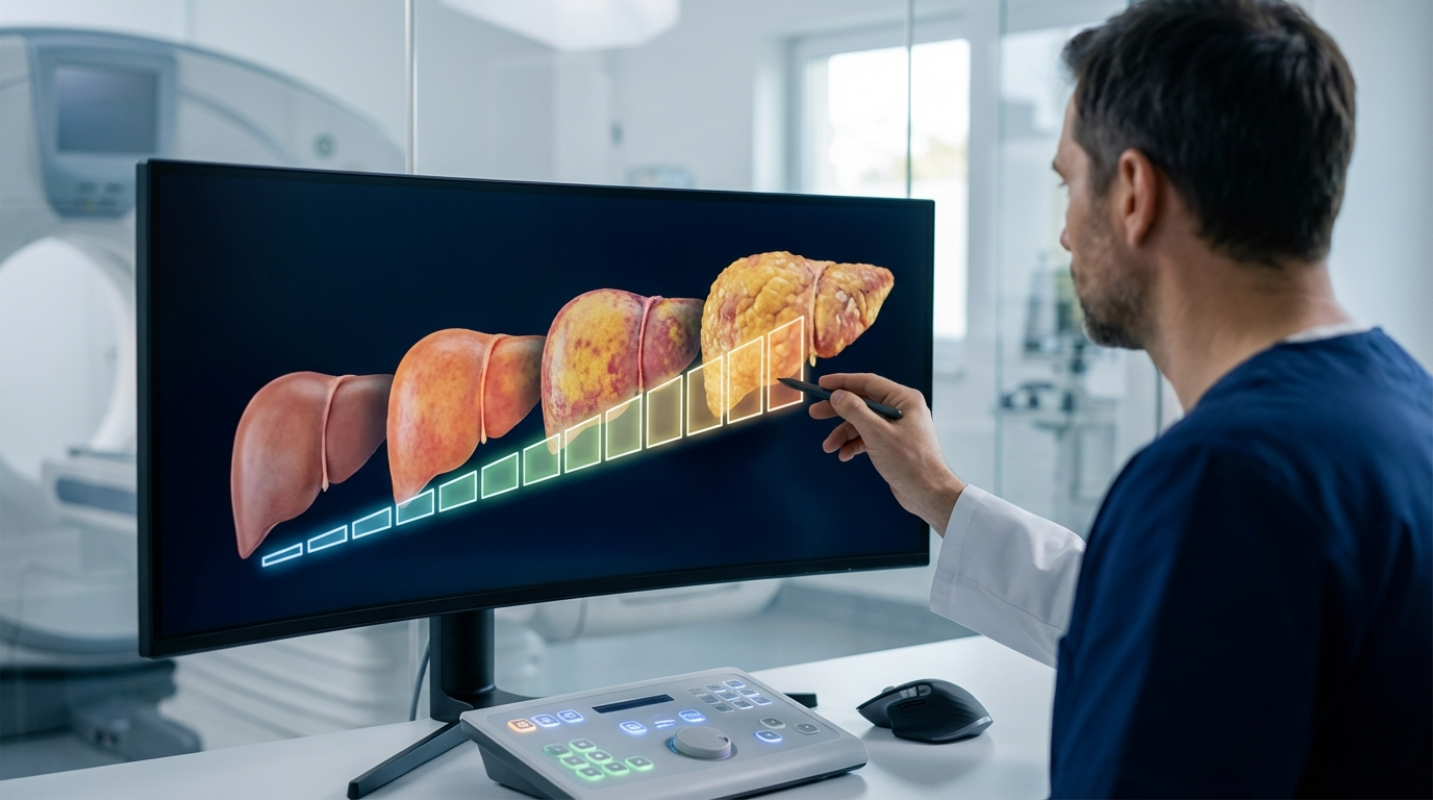
Think of it like this: your liver and pancreas—the organs important for glucose regulation—become clogged with fat. This fat actively interferes with the pancreas’s beta cells, which produce insulin, and simultaneously causes the liver and muscles to ignore the insulin that is produced.
Significant weight loss clears that system.
Studies show that targeted weight loss reduces fat specifically in the liver and pancreas, restoring normal beta-cell function. Leading researchers confirm that this reversal of fat accumulation is the key mechanism for achieving remission.
The Dose-Response Effect
You don’t need to lose an impossible amount of weight to see benefits, but the degree of weight loss is the single strongest predictor of success. Modest weight loss (3–5%) improves your lipid profile and blood pressure, but to truly flip the switch into remission, you need more.⁴
The American Diabetes Association (ADA) Standards of Care emphasize that weight loss greater than 10% or 15% is required to substantially reduce HbA1c and promote sustained remission.⁴
The results of intensive programs confirm this dose-response relationship in dramatic fashion. If you can achieve 20–29% total body weight loss, your chance of remission jumps to nearly 50%. But if you hit 30% or more weight loss? Your probability of complete remission soars to a remarkable 79.1%.³ The heavier the lift, the bigger the reward.
Evaluating Effective Weight Loss Modalities for T2D Remission
If weight loss is the target, how do you hit it? Not all weight loss methods are created equal when the goal is T2D remission. Intensity is the key word here.
The most successful non-surgical approaches typically involve Very Low-Calorie Diets (VLCDs), often delivered as total diet replacement using specially formulated liquid shakes or soups for 3 to 5 months. This rapid, structured weight loss is followed by careful food reintroduction and, most importantly, long-term maintenance support.
The DiRECT Trial Blueprint
The landmark Diabetes Remission Clinical Trial (DiRECT) demonstrated just how powerful this approach is. Participants who underwent an intensive VLCD program saw a 46% remission rate after one year. This was new.
But the long-term data offers a important reality check: Maintaining that remission requires relentless dedication. A 2026 update to the DiRECT findings showed that while the initial results were spectacular, the remission rate stabilized at 13% after five years.² This highlights that the diet is only the first step; the maintenance program is the real lifelong effort.
Surgery vs. Intensive Lifestyle
For patients with higher Body Mass Indexes (BMI), bariatric (metabolic) surgery remains the gold standard for achieving the highest and most durable remission rates. In the short term, bariatric surgery can achieve remission rates of 60–80%.
But intensive lifestyle programs like VLCDs offer a powerful comparable option without the risks and potential complications of surgery, such as anemia or long-term gastrointestinal issues. Although long-term studies show that surgery provides superior durability—remission rates of 12.7% at 12 years versus 0.0% for traditional medical management—the intensive non-surgical approach is an increasingly viable primary choice for many patients.⁵
Navigating Program Implementation: From Choice to Maintenance
Choosing to pursue remission is a major commitment. It requires structure, support, and professional oversight. You should never attempt extreme weight loss without the guidance of a healthcare provider, especially when you are taking glucose-lowering medications.
The Important Role of Support
Success hinges not just on the diet plan itself, but on the support system around you.
- Healthcare Provider Involvement Your doctor must supervise the program, adjusting or eliminating medications (like insulin or sulfonylureas) as your blood sugar improves rapidly.
- Behavioral Support Intensive counseling is needed to address the psychological and behavioral patterns that led to weight gain in the first place. You’re not just changing what you eat; you’re changing how you live.
Personalized Pathways
Although VLCDs offer rapid, medically supervised success, many other pathways work, provided they create a significant, sustained calorie deficit. Whether you choose a low-carbohydrate approach or a more balanced, calorie-restricted diet, the key is consistency and personalization. What works for your neighbor won’t necessarily work for you.
Top Recommendations for Remission Programs
- Medically Supervised VLCD Programs These offer the fastest route to remission and should include a structured refeeding phase. Focus on programs with strong maintenance phases.
- Lifestyle Medicine Clinics Programs centered on intensive behavioral counseling, addressing nutrition, physical activity, sleep, and stress management.
- GLP-1 Receptor Agonists Although technically medication, modern weight loss drugs can achieve the necessary 15%+ weight loss, often leading to remission when combined with diet and exercise. They serve as a powerful tool to enable the weight loss needed for remission.
The Maintenance Challenge
Remission isn't an endpoint; it's a new beginning that requires continuous effort. The biggest challenge isn't losing the weight, it's keeping it off.
If you regain the weight, the fat returns to the liver and pancreas, and the diabetes often returns with it. The long-term success of the DiRECT participants who stayed in remission was directly correlated with their ability to maintain a weight loss of about 22 pounds (10 kg) over five years.² Sustained weight maintenance approaches—from regular physical activity to continuous monitoring and periodic check-ins—are non-negotiable.
Sustaining the Victory: A New Definition of Health
The evidence is a lot of: Type 2 Diabetes is not an inevitable, one-way street. It is a metabolic condition highly susceptible to reversal through meaningful, sustained weight loss.
This isn't just about getting off your medication, though that’s certainly a massive benefit. Achieving T2D remission through weight loss dramatically improves your overall health trajectory. You reduce your risk of cardiovascular disease, kidney damage, and nerve damage. You gain energy, mobility, and freedom.
If you have been living with T2D, talk to your doctor about intensive weight loss programs. Set your sights higher than just management; aim for remission. It requires hard work, commitment, and professional support, but the reward—a chance at a life free from diabetes medication—is absolutely worth the effort.
Sources:
1. Consensus Report Defining Type 2 Diabetes Remission
2. DiRECT Trial: 5-Year Outcomes
3. Systematic Review on Weight Loss and Remission Rates
4. 8. Obesity and Weight Management for the Prevention and Treatment of Type 2 Diabetes
5. Long-Term Outcomes of Bariatric Surgery vs. Medical/Lifestyle Management
This article is for informational and educational purposes only. Readers are encouraged to consult qualified professionals and verify details with official sources before making decisions. This content does not constitute professional advice.